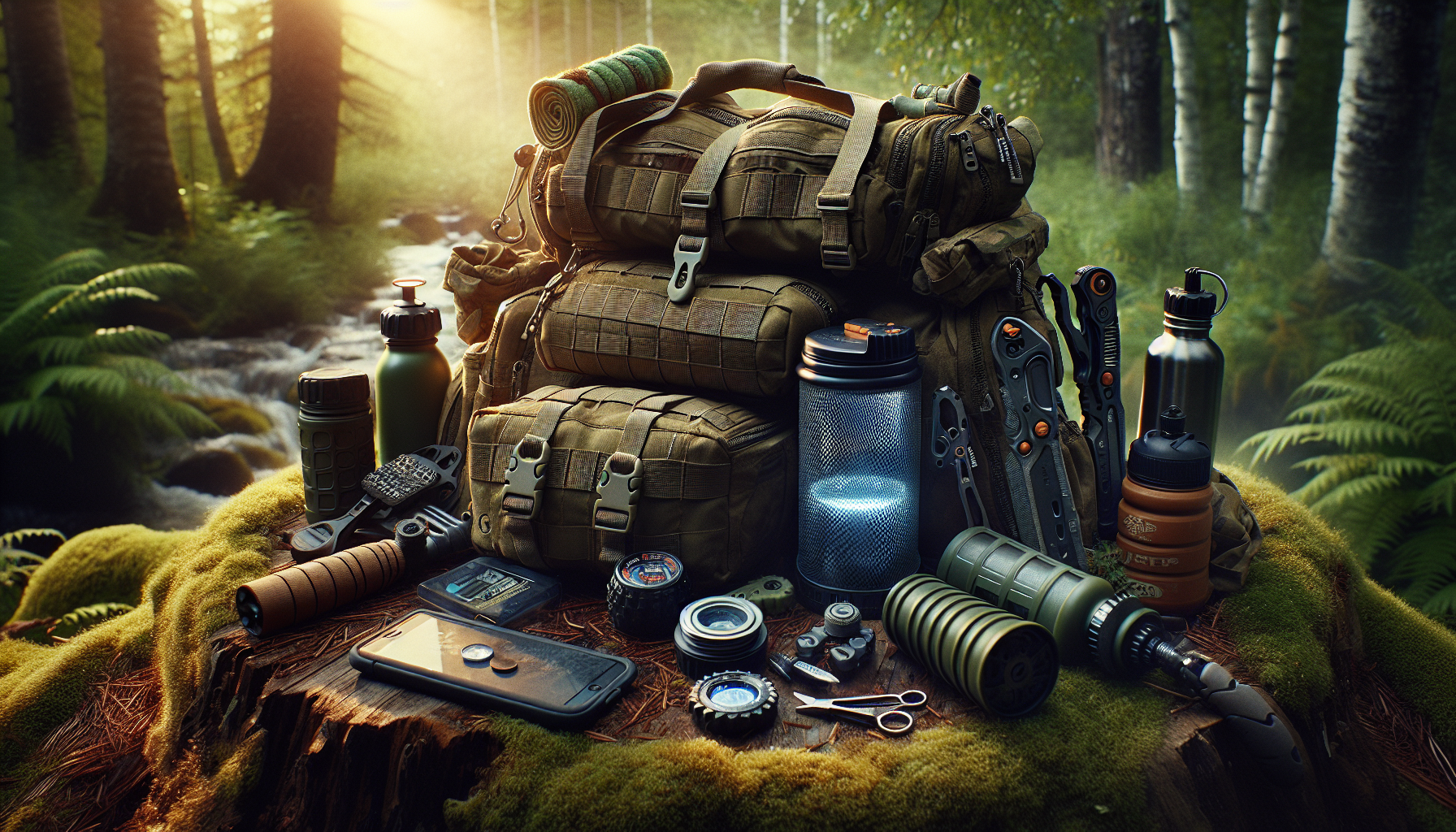

In today’s urban living environments, reliability on municipal water systems often overshadows the benefits and feasibility of personal rainwater collection and purification. For apartment dwellers, understanding rainwater purification methods is becoming increasingly important, ensuring an independent water source in times of need or emergency.
Collecting and purifying rainwater offers a sustainable water solution that aligns with eco-conscious living, even within the constraints of apartment life. By harnessing the simple yet effective methods discussed here, apartment preppers can ensure access to clean water, adding a layer of resilience to their emergency plans.
Understanding Rainwater Purification Methods
Rainwater, while naturally falling pure, can accumulate contaminants from surfaces it contacts, making purification a necessary step before consumption. Two primary methods are boiling and filtering, each with unique benefits and operational considerations.
For apartment dwellers, it’s crucial to select purification methods that fit within limited space and don’t require extensive infrastructure. Both boiling and filtering are practical options that ensure water safety when applied correctly.
Boiling vs. Filtering Rainwater: Which is Best?
Boiling is one of the oldest methods of water purification, using heat to kill pathogens. However, it requires a heat source and time, which might be limited during emergencies or in apartments without robust cooking facilities.
Filtering, on the other hand, involves passing rainwater through devices designed to remove impurities and pathogens. Filters can range from simple activated carbon systems to more complex ceramic or UV setups, all compact enough for apartment settings.
| Method | Pros | Cons |
|---|---|---|
| Boiling | Kills bacteria, simple | Energy-intensive, time-consuming |
| Filtering | Removes impurities, convenient | Initial cost, maintenance needed |
Easy Rainwater Purification Techniques for Apartments
Beyond boiling and filtering, a mix of low-tech and modern solutions cater to tight spaces and budgets:
- Portable Filters: Compact filtration systems, like those used in camping, can fit in small kitchens or bathroom spaces. These devices efficiently remove contaminants without electricity.
- UV Purification Devices: These handheld gadgets disinfect water using ultraviolet light, eliminating pathogens without altering the taste or leaving any byproducts.
- Settling and Straining: Let rainwater sit to allow debris to settle, then strain through layers of fine mesh or cloth. This technique pairs well with other methods for additional protection.
Setting Up an Apartment Rainwater System
Creating a rainwater collection system in an apartment is simpler than it might seem:
- Identify Collection Points: Balconies or windowsill planters can be ideal for capturing rain. Using food-grade barrels or containers ensures no harmful chemical leaching.
- Use Funnels or Diverters: These can redirect rain from building structures into your storage containers, maximizing water gathering efficiency.
- Regular Maintenance: Keep gutters or collection surfaces clean to prevent contamination, ensuring stored water remains as pure as possible.
Is Rainwater Safe to Drink? Essential Considerations
While rainwater is generally safe when collected carefully, it’s vital to consider local regulations and guidelines. Pathogens and pollutants present risks that can be mitigated through proper purification practices. Always purify before consumption, understanding local water testing and treatment requirements.
Through mindfulness of these safety considerations, rainwater becomes a reliable alternative in times of municipal water supply disruptions.
Conclusion
Apartment living doesn’t limit rainwater as a viable resource. By adopting effective purification and collection strategies, urban dwellers can enhance their preparedness against water supply challenges. Embrace these methods to safeguard your access to clean water, turning rain’s potential into a practical asset.
FAQ
What is the best method to purify rainwater?
The best method depends on your situation. For thorough purification in small spaces, a combination of filtering and UV treatment is often recommended.
How can I safely collect rainwater in an apartment?
Use food-safe containers and keep collection surfaces like balconies and window planters clean. Consider using a rainwater diverter for efficiency.
Is boiled rainwater safe to drink?
Yes, boiling kills most pathogens, making the water safe for consumption when properly boiled for at least one minute.
What are the easiest purification methods for small spaces?
Portable filters and UV purifiers are compact and user-friendly, making them ideal for apartments.