
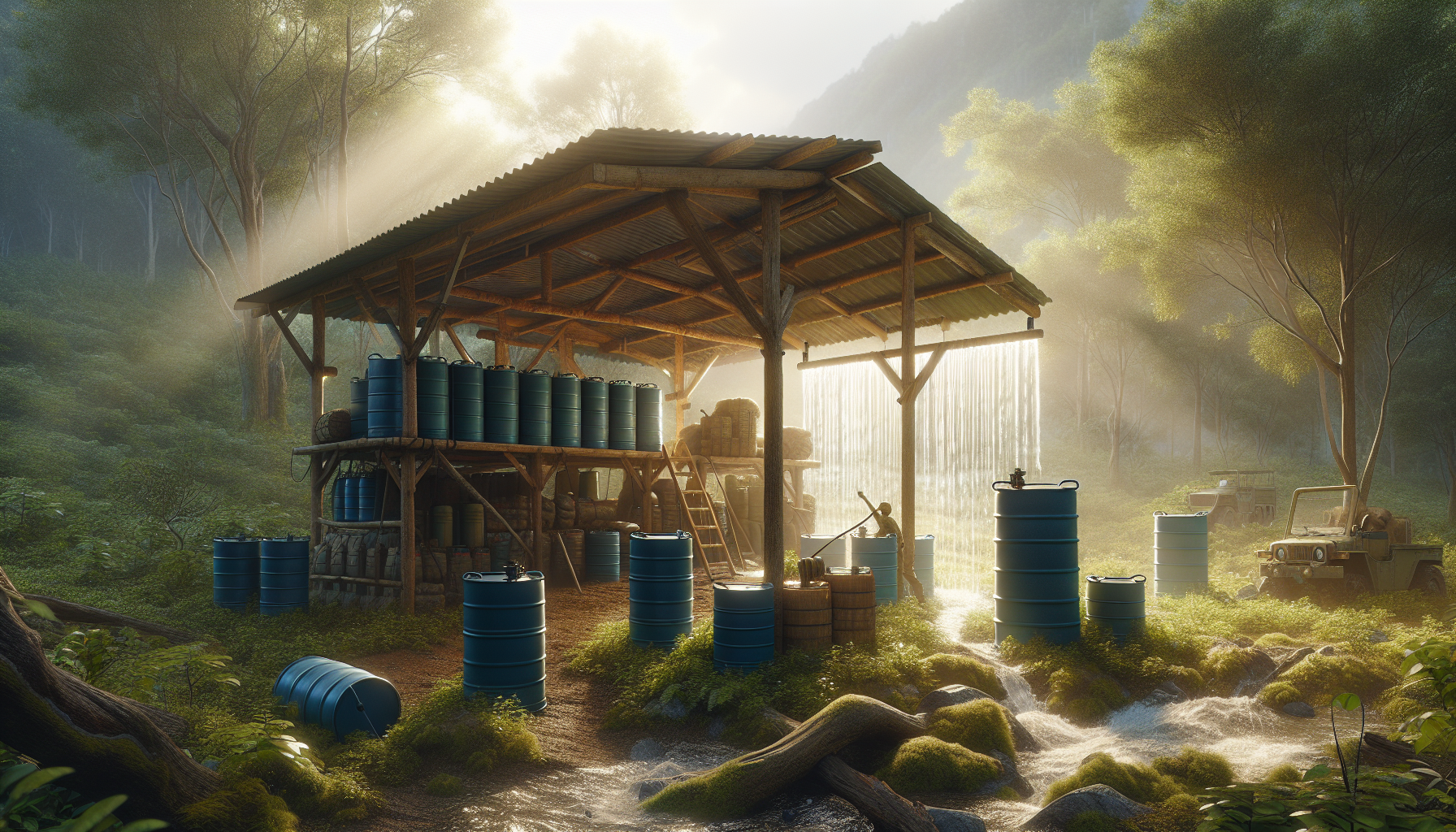
Rainwater harvesting is an efficient and sustainable way to utilize natural resources right in your backyard. By capturing and storing rainwater, you can reduce your dependency on municipal water supplies, lower water bills, and contribute positively to the environment. A rainwater harvesting system is composed of components designed to collect, convey, filter, and store rainwater for various uses. In this comprehensive guide, we will walk you through the basics of setting up a budget-friendly rainwater harvesting system your home.
Introduction to Rainwater Harvesting
Rainwater harvesting is the process of collecting and storing rainwater for reuse before it reaches the ground. It is a simple, sustainable, and cost-effective method to conserve natural resources and manage water effectively. By implementing a rainwater harvesting system, not only do you contribute to reducing your carbon footprint, but you also ensure a self-sufficient water supply during dry spells.
Understanding Rainwater Harvesting Systems
A rainwater harvesting system consists of several critical components. The primary elements include catchment areas, typically rooftops, where rainwater is intercepted. From there, the water is transferred through conveyance systems like gutters and downspouts to a storage facility, which can be a tank or a barrel. Filtration and purification systems may be integrated to cleanse the collected water for specific uses. As rainwater harvesting gains momentum in sustainable living efforts, understanding its critical role in environmental conservation becomes essential.
Benefits of a Home Rainwater Collection System
There are numerous benefits to setting up a home rainwater collection system. The most apparent advantage is cost savings, as using harvested rainwater reduces the demand for municipal water, significantly lowering water bills. Furthermore, rainwater is free from many chemicals found in treated tap water, making it ideal for gardening, cleaning, and even drinking after proper purification. Environmentally, rainwater harvesting lessens the load on stormwater systems, mitigates flooding, and helps maintain groundwater levels.
Cheap Rainwater Harvesting Methods for Beginners
Starting a rainwater harvesting system doesn’t have to be expensive. Here are a few low-cost methods for beginners:
- Rain Barrels: Using a simple barrel system is the cheapest way to start. Place barrels beneath downspouts to collect rainwater directly from your rooftop.
- DIY Gravity-Fed Systems: These systems leverage height differentials to move water without pumping systems, making use of affordable materials.
- Budget-Friendly Storage Tanks: Repurpose containers like used food-grade barrels to create cost-effective storage solutions.
DIY Rainwater System: Step-by-Step Setup
Building a rainwater harvesting system at home can be a rewarding DIY project. Follow these steps to set up your system:
- Identify a Catchment Area: Choose a suitable rooftop section to capture water.
- Install Gutters: Attach high-quality gutters with proper slope to direct water to downspouts.
- Select a Storage Solution: Use drums or barrels positioned under downspouts.
- Install a Diverter: A diverter connects to downspouts and channels water into your storage system while excluding debris.
- Add a Filtration System: Incorporate screens and filters to purify the collected rainwater.
| Component | Low-Cost Alternative | Estimated Cost |
|---|---|---|
| Storage | Repurposed Barrels | $20-$50 |
| Gutters | Vinyl or Aluminum | $50-$100 |
| Filtration | Simple Mesh Screens | $10-$30 |
Maintaining Your Rainwater Harvesting System
Regular maintenance ensures the durability and effectiveness of your rainwater harvesting system. Periodically clean gutters and downspouts to prevent clogging. Inspect and clean storage tanks to avoid contamination. Ensure all filters remain clear and functional, and check the structural integrity of all components after severe weather events to prevent damage.
Conclusion and Next Steps
Building a rainwater harvesting system is a practical step toward sustainable living. Not only does it offer economic benefits, but it also contributes significantly to environmental conservation. We encourage you to take these first steps in constructing your rainwater harvesting system and experience the myriad benefits it brings.
What is a rainwater harvesting system?
A rainwater harvesting system is a setup designed to collect and store rainwater from rooftops or other surfaces for later use, offering an eco-friendly and cost-saving water supply option.
How can I set up a rainwater collection system on a budget?
Starting with a rain barrel system using repurposed containers, installing basic gutters, and using simple filtration methods are budget-friendly ways to set up a rainwater collection system.
What are the benefits of harvesting rainwater?
Harvesting rainwater helps reduce water bills, supports gardening with chemical-free water, minimizes environmental impacts by reducing runoff, and aids in water conservation during periods of low rainfall.
Is it legal to collect rainwater in my area?
Laws vary by location, so it’s essential to check regional regulations regarding rainwater collection. Many places encourage it, but some may have restrictions.