
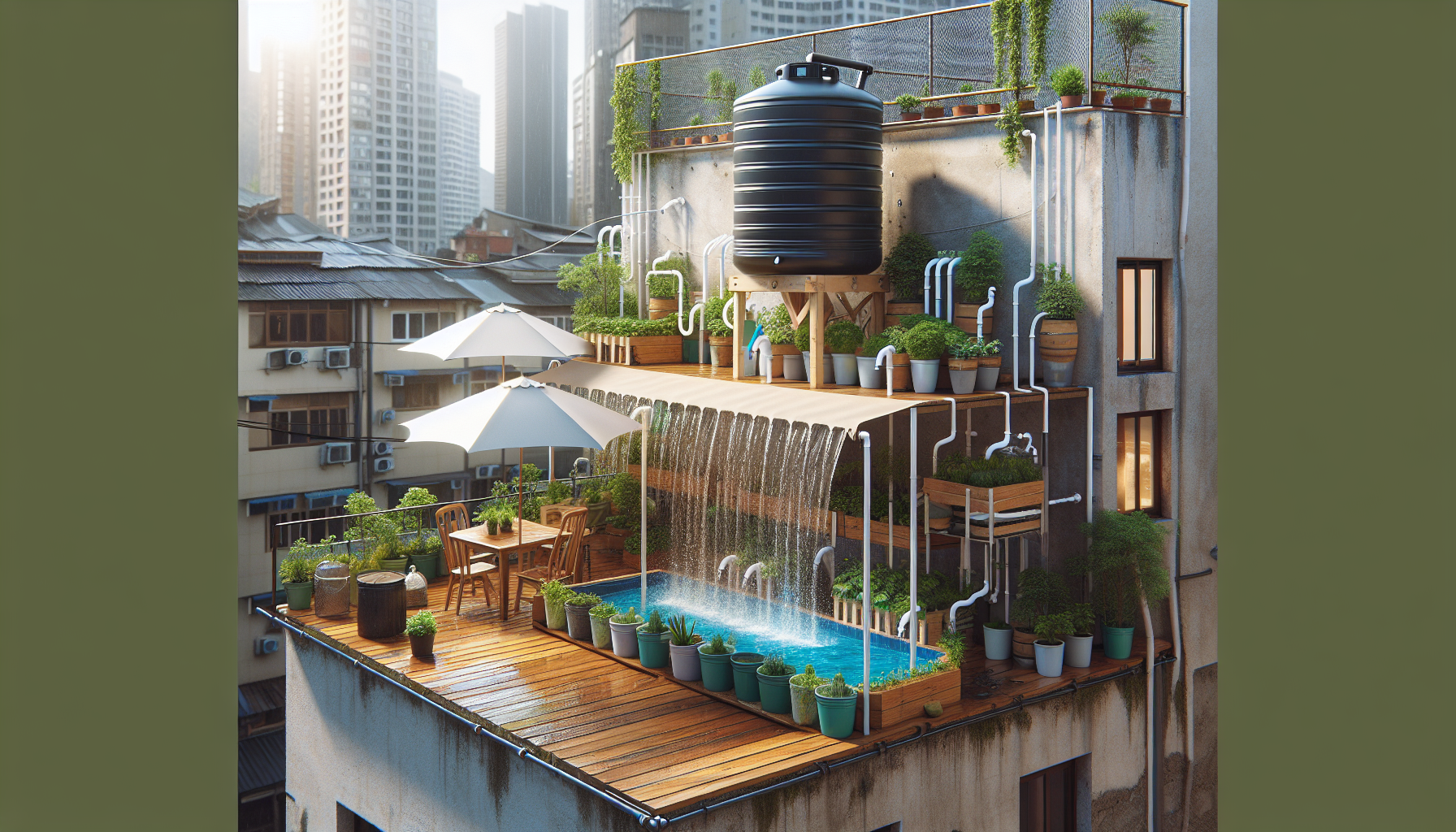
When it comes to sustainable living, rainwater harvesting can seem like a practice best suited to rural or suburban homes with ample yard space. However, apartment dwellers can also reap the benefits of collecting rainwater, even in limited spaces. This guide explores the intricacies of rainwater harvesting for apartments, providing DIY tips and solutions tailored for urban settings.
Understanding Rainwater Harvesting
Rainwater harvesting involves collecting and storing rainwater for later use. This practice has been used for centuries, providing an alternative water supply for everything from irrigation to drinking water. For apartment dwellers, the primary advantage lies in its sustainability and cost-effectiveness. By utilizing rainwater, you can reduce dependency on mains water supplies, cut down on utility bills, and contribute to a more sustainable environment.
The benefits extend beyond economic aspects. Harvesting rainwater can help reduce the risk of urban flooding, as it diverts water away from storm drains. Furthermore, it can be a vital component of emergency preparedness, providing a supplementary water supply in the event of a disruption to regular water services.
Why Consider Rainwater Harvesting in Apartments?
Apartment living often comes with constraints, but with clever planning, rainwater harvesting can be both practical and beneficial. Here are several reasons to consider implementing a rainwater collection system in your apartment:
- Sustainable Living: By harvesting rainwater, you align with eco-friendly practices that contribute to water conservation efforts.
- Small Space Advantage: Innovative systems can be tailored to small spaces found on balconies or terraces, making efficient use of any available area.
- Emergency Preparedness: Having an alternative water source can prove invaluable during emergencies, ensuring you have access to essential water supplies when needed.
DIY Rainwater Collection System for Small Spaces
Creating a DIY rainwater collection system suitable for apartments involves several steps:
- Choose the Right Container: Opt for stackable containers to maximize storage on a balcony. Food-grade barrels or even recycled jugs can be effective.
- Install a Collection Surface: Use tarps or purchase small rainwater diverter kits designed for roofs or balconies. Ensure they direct water into your storage containers.
- Use a Filter System: To avoid contamination, integrate a basic filter system that includes mesh screens over inlets to keep debris out.
- Secure and Maintain: Properly secure your setup to withstand wind and regularly check for clogs or leaks to maintain efficiency.
Rainwater Storage Solutions for Apartments
Effective storage in limited spaces can be challenging, but there are several innovative solutions:
| Storage Solution | Pros | Cons |
|---|---|---|
| Collapsible Tanks | Easy storage, portable | Limited capacity |
| Vertical Barrels | Space efficient, larger capacity | Requires secure placement |
| Modular Systems | Customizable, expandable | Higher initial cost |
Apartment Prepping Tips
Integrating rainwater harvesting into your apartment prepping plans involves a few straightforward steps:
- Conduct regular maintenance checks on your system to ensure there’s no leakage or blockages.
- Calculate your most essential water needs to assess how much water you should aim to store.
- Consider investing in water purification technology to ensure the collected rainwater remains safe for use.
Conclusion and Next Steps
Rainwater harvesting in apartments is not only feasible but also a smart and sustainable choice that aligns with urban living constraints. By implementing a DIY system and adopting innovative storage solutions, you can take a significant step towards sustainability and enhanced preparedness. Begin today, utilizing the information provided to set up your efficient rainwater harvesting system.
What is rainwater harvesting and how does it work?
Rainwater harvesting is the process of collecting and storing rainwater for reuse on-site, rather than allowing it to run off. This can be achieved through systems that capture rainwater from a roof or other catchment area.
Can I set up a rainwater harvesting system in my apartment?
Yes, you can set up a rainwater harvesting system even in an apartment. It involves minimal space and can be tailored to fit your specific living situation, such as using small barrels or collapsible tanks on a balcony.
What are some simple DIY rainwater collection methods?
Simple DIY methods include using tarps to direct rainwater into barrels, employing rain diverters from small roof sections, or installing gutter systems that feed into storage containers.
How can I store rainwater effectively in a small space?
In small spaces, opt for stackable or collapsible tanks, use vertical storage solutions, and consider modular systems that can be customized to fit your available area.