
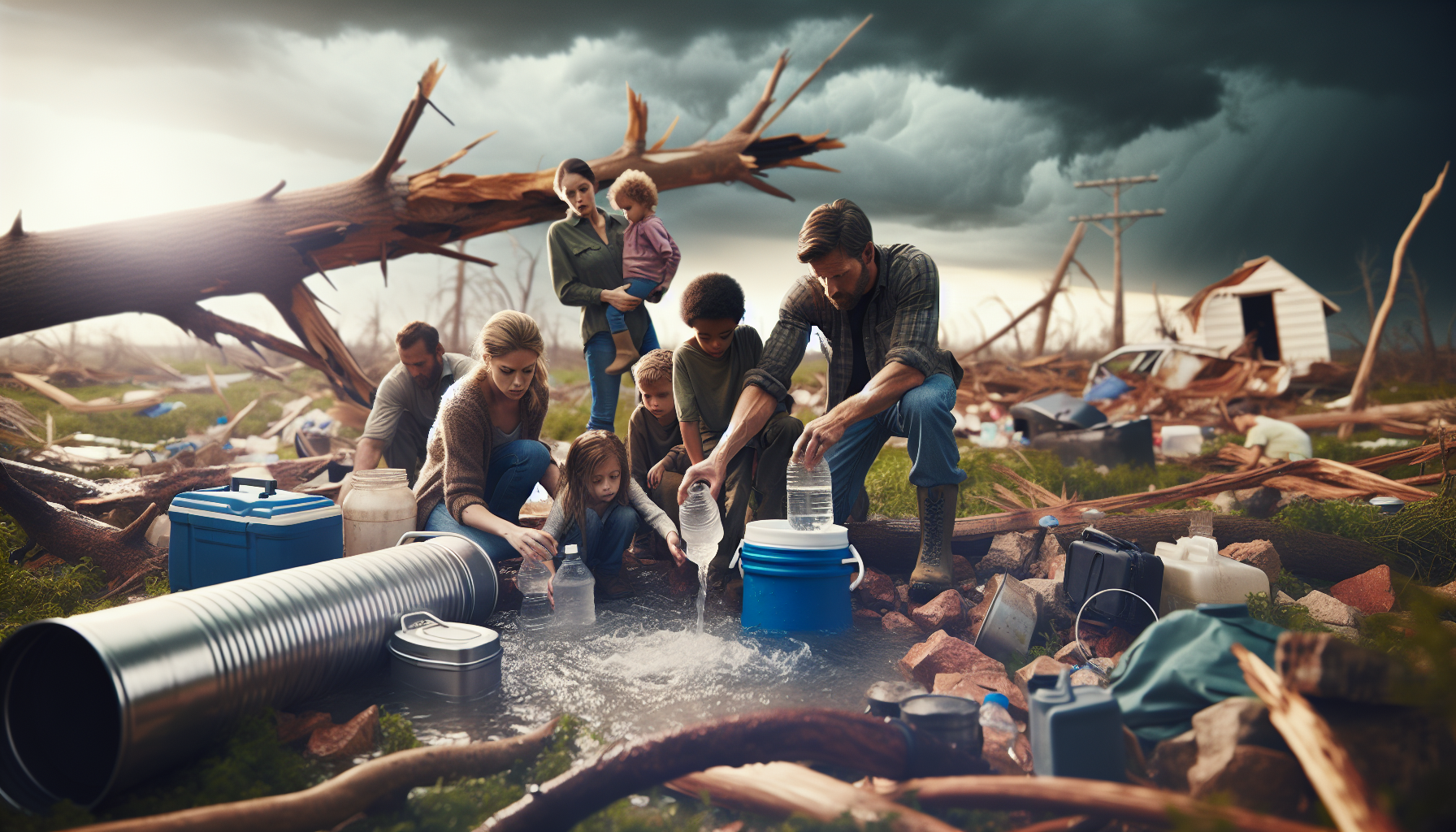
Tornadoes can upheave the lives of many, leaving families in urgent need of clean and safe drinking water. Understanding water purification after such a disaster is crucial to ensure the well-being of your family. In this guide, we’ll walk you through everything you need to know about water purification in the aftermath of a tornado, from understanding the necessity of emergency water treatment to learning the best methods for purifying water chemically and otherwise.
Introduction to Water Purification and Tornado Preparedness
After a tornado, water supplies can become contaminated with debris, chemicals, and bacteria, turning a vital resource into a potential health risk. Water purification is the process of removing these contaminants, ensuring safe consumption for your family. Being prepared with the right knowledge and tools can make the difference between safety and hardship in the wake of a natural disaster.
Understanding the Necessity of Emergency Water Treatment
A tornado’s impact on water supply can be devastating. With pipelines broken and water mixed with hazardous materials, unpurified water can lead to severe health issues such as gastrointestinal diseases. Thus, emergency water treatment is not optional but essential. In the critical hours and days following a tornado, having an effective purification plan can be life-saving.
Statistics show that over 60% of health complications post-tornado are related to contaminated water sources. This makes understanding and implementing emergency water treatment crucial for every family. Implementing a strong plan can prevent these consequences and ensure your family’s safety.
Methods of Chemical Water Purification
Chemical water purification methods are effective and accessible for most households post-tornado. Here are some of the most reliable methods to consider:
- Chlorination: Chlorine tablets are widely available and effectively kill bacteria and viruses. Just add the appropriate number of tablets to your contaminated water and wait for 30 minutes.
- Iodine Treatment: As an alternative to chlorine, iodine can also purify water. It’s especially useful if you’re on the move and need a lightweight, portable solution. Use iodine tablets or drops, following the instructions for dosage and time.
- Bleach: Household bleach with a concentration of 6% can be used for purifying water. Add 8 drops per gallon, stir and let it stand for 30 minutes before consuming.
It is critical to understand that these chemical methods must be used carefully and under guidance, as incorrect dosages can pose risks.
Family Water Safety: Protecting Your Loved Ones
Prioritizing your family’s safety involves understanding how to properly store and handle water after purification. Here are some essential tips:
- Store purified water in clean, sealed containers labeled with the purification date.
- Keep purified water away from fuel, chemicals, or waste to prevent recontamination.
- Designate a safe area in your home for storing water supplies and purification tools.
Communicate these safety measures with all family members, ensuring everyone knows how to access and use safe water efficiently.
Tornado Preparedness: Prioritizing Water Supply Safety
Preparation plays a crucial role in ensuring water safety post-tornado. Here’s how you can prepare:
- Emergency Kits: Include purification tablets, a clean storage container, and a water filter in your emergency disaster kit.
- Pre-disaster Water Storage: Keeping a reserve of commercial bottled water can serve as a reliable backup during emergencies.
- Community Resources: Be informed about local water distribution centers or community initiatives post-disaster so you can access safe water promptly.
How to Purify Water: Step-by-Step Guide
Follow this step-by-step guide to ensure safe water purification:
- Filter: First, use a cloth or coffee filter to remove large particles from the water.
- Boil: Heat the water to a rolling boil for at least one minute. This kills most microorganisms effectively.
- Chemical Disinfectant: Optionally, further treat with chlorine or iodine tablets, following the package instructions.
Employ these steps systematically to ensure every drop of water you consume is safe.
Conclusion and Key Takeaways
Ensuring safe water in the aftermath of a tornado is vital for your family’s health and security. By understanding and implementing effective purification methods, you can protect your family from potential waterborne diseases. Remember, prepare in advance and communicate safety measures with all family members to be ready for unpredictable situations.
| Method | Advantages | Disadvantages |
|---|---|---|
| Chlorination | Effective, widely available | Requires proper dosage |
| Iodine Treatment | Lightweight, portable | Unpleasant taste, not suitable for pregnant women |
| Boiling | Kills most pathogens | Requires heat source |
What should I do if my water supply is contaminated after a tornado?
If your water supply is contaminated after a tornado, use purification methods such as boiling, chlorination, or iodine treatment to ensure it’s safe for consumption. Always prioritize finding a clean and reliable source of water if possible.
What are the best methods for emergency water purification?
The most effective methods for emergency water purification include boiling, chlorination with tablets, and using iodine drops or tablets. Each method has its own pros and cons, so it’s essential to choose based on your specific circumstances and available resources.
How can I ensure my family’s water safety post-disaster?
Ensuring your family’s water safety post-disaster involves implementing purification methods, safe storage practices, and preparing with a thorough emergency water plan. Make sure all family members understand these procedures.
What supplies do I need for effective chemical water purification?
For effective chemical water purification, you’d need chlorine or iodine tablets, a clean storage container, a stirring stick, and a cloth for filtering debris. Having these supplies ready in an emergency kit is crucial for swift response post-tornado.