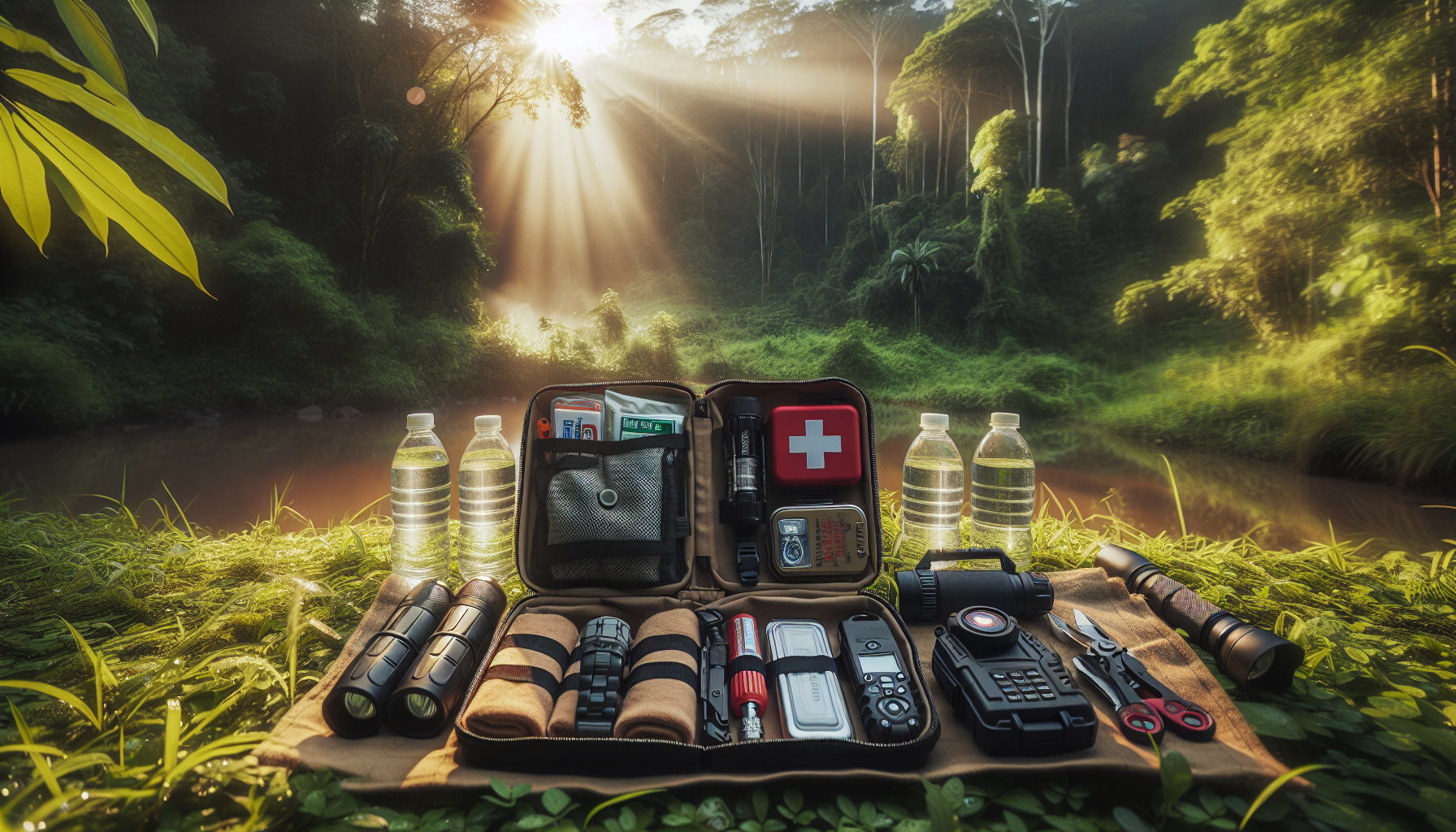
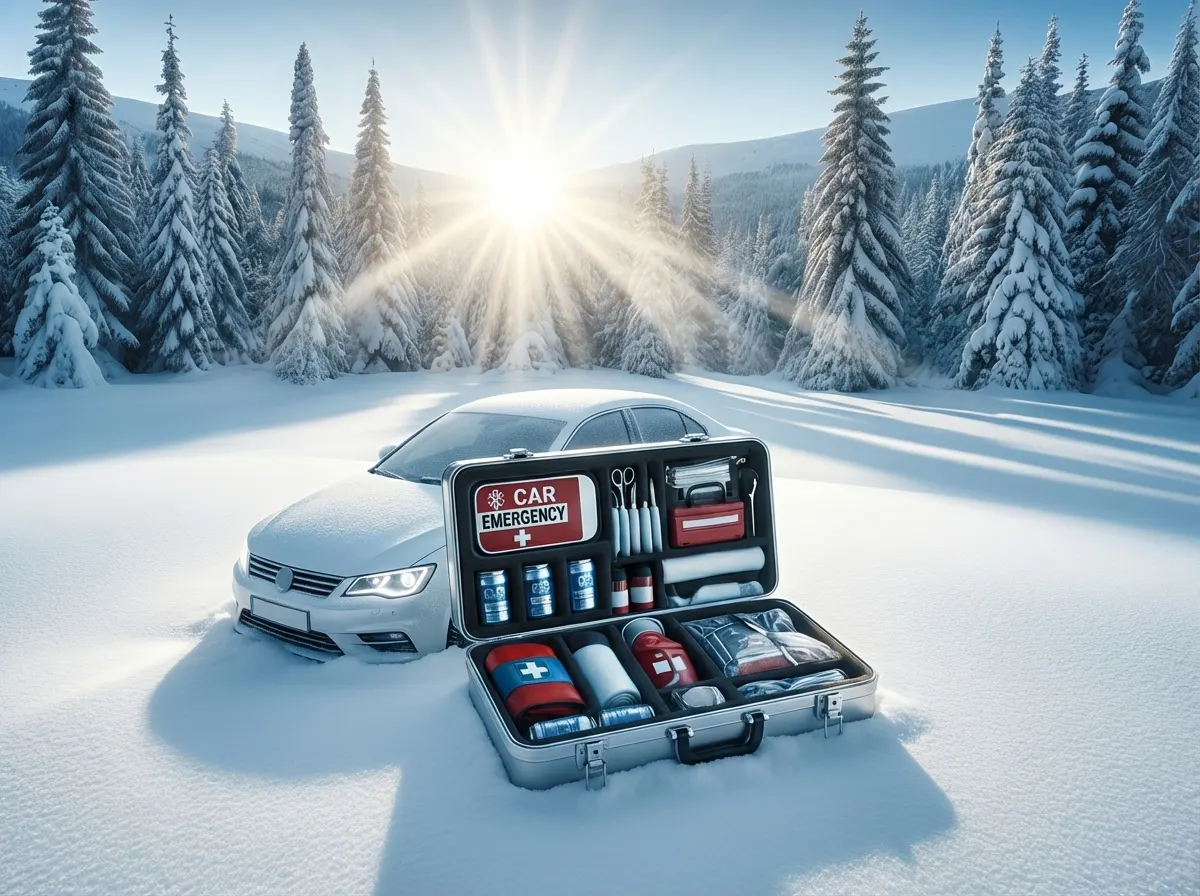
Winter driving can be unpredictable and sometimes treacherous, making preparation crucial for ensuring safety on the road. A winter car emergency kit is an essential collection of supplies designed to help drivers handle unexpected situations, such as breakdowns or severe weather conditions, while traveling in cold weather. This kit provides peace of mind and can be a lifesaver in emergencies, whether you’re driving through a snowstorm or facing a long wait for roadside assistance.
Essential Items for Your Winter Car Emergency Kit
When assembling your winter car emergency kit, focus on items that offer utility and are suitable for off-grid scenarios. Here are five must-have items to include:
- Jumper Cables: Cold weather can drain your car’s battery. Jumper cables enable you to restart your vehicle with the help of another driver.
- Blanket: Hypothermia is a real risk in cold temperatures. A warm blanket can help retain body heat while waiting for help.
- Flashlight and Extra Batteries: Keeping a flashlight handy ensures you can inspect your vehicle or assess your surroundings in low light.
- First-Aid Kit: Accidents can happen at any time. A basic first-aid kit addresses minor injuries and ensures you can administer initial care.
- Multi-Tool: A versatile multi-tool can assist in minor repairs and adjustments, proving invaluable in various situations.
Off-Grid Car Prep: Additional Supplies for Extreme Conditions
If you plan to venture into remote areas or face extreme weather conditions, consider adding these items to your kit:
- Shovel: A foldable shovel can be useful for digging your car out of snow or mud.
- Traction Aids: Items like sand, salt, or kitty litter provide traction on slippery surfaces.
- Portable Phone Charger: Keeping your phone charged is vital for communication and access to navigation tools.
- Hand Warmers: Keep these in your kit to provide extra warmth during long waits in the cold.
Cold Weather Survival Strategies While Driving
Staying safe in winter starts with preventative strategies. Here are some winter driving tips:
- Stay Informed: Check weather conditions and road closures before traveling.
- Drive Slowly: Reduce speed in ice and snow to maintain control of your vehicle.
- Maintain Distance: Increase the following distance to allow more time to react to unexpected stops.
- Stay Visible: Keep headlights on during snowfall and use turn signals well in advance.
Organizing and Storing Your Winter Car Emergency Kit
Efficient storage of your emergency supplies ensures they are easily accessible when needed. Consider these tips:
- Use a dedicated container or bag to keep items organized and prevent shifting during travel.
- Label containers clearly for quick identification.
- Store your emergency kit in your trunk or another easily accessible area in your vehicle.
Conclusion and Final Thoughts
Preparing a winter car emergency kit is an essential step in ensuring safety during cold weather travel. By equipping your vehicle with the necessary supplies, you increase your chances of handling emergencies effectively. Don’t wait until it’s too late; start building your emergency kit today and travel with peace of mind.
What items should I include in my winter car emergency kit?
Include jumper cables, a blanket, a flashlight with batteries, a first-aid kit, and a multi-tool for basic needs.
How can I prepare my car for off-grid travel in winter?
For off-grid travels, add a shovel, traction aids, a portable phone charger, and hand warmers to your kit for increased preparedness.
What are some winter driving tips to avoid emergencies?
Check the weather, maintain a safe speed, ensure adequate following distance, and stay visible by using your headlights and signals early.
How should I store my emergency supplies in the car?
Organize supplies in a labeled container stored in the trunk or other accessible area to ensure they remain safe and easy to reach.