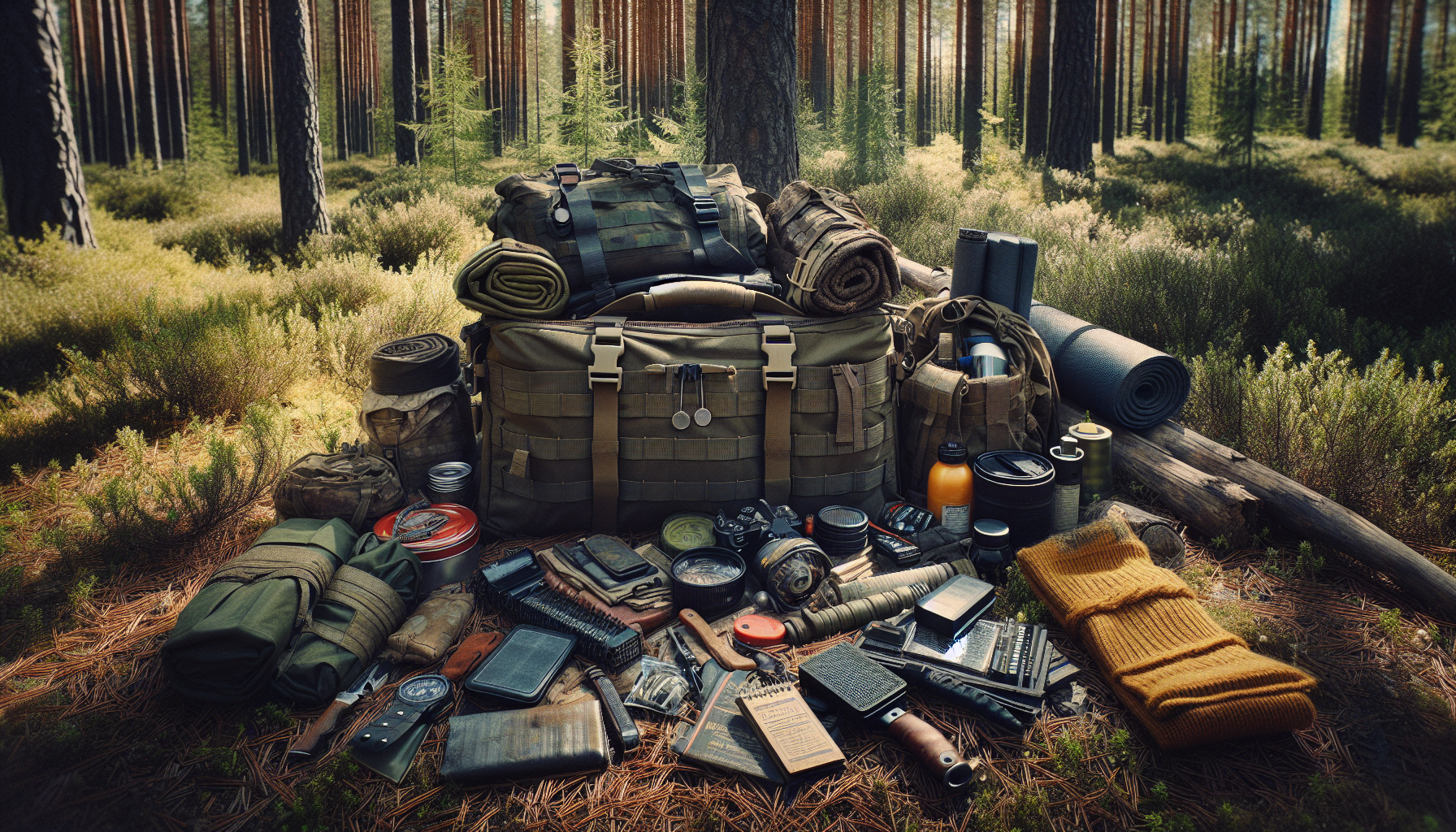
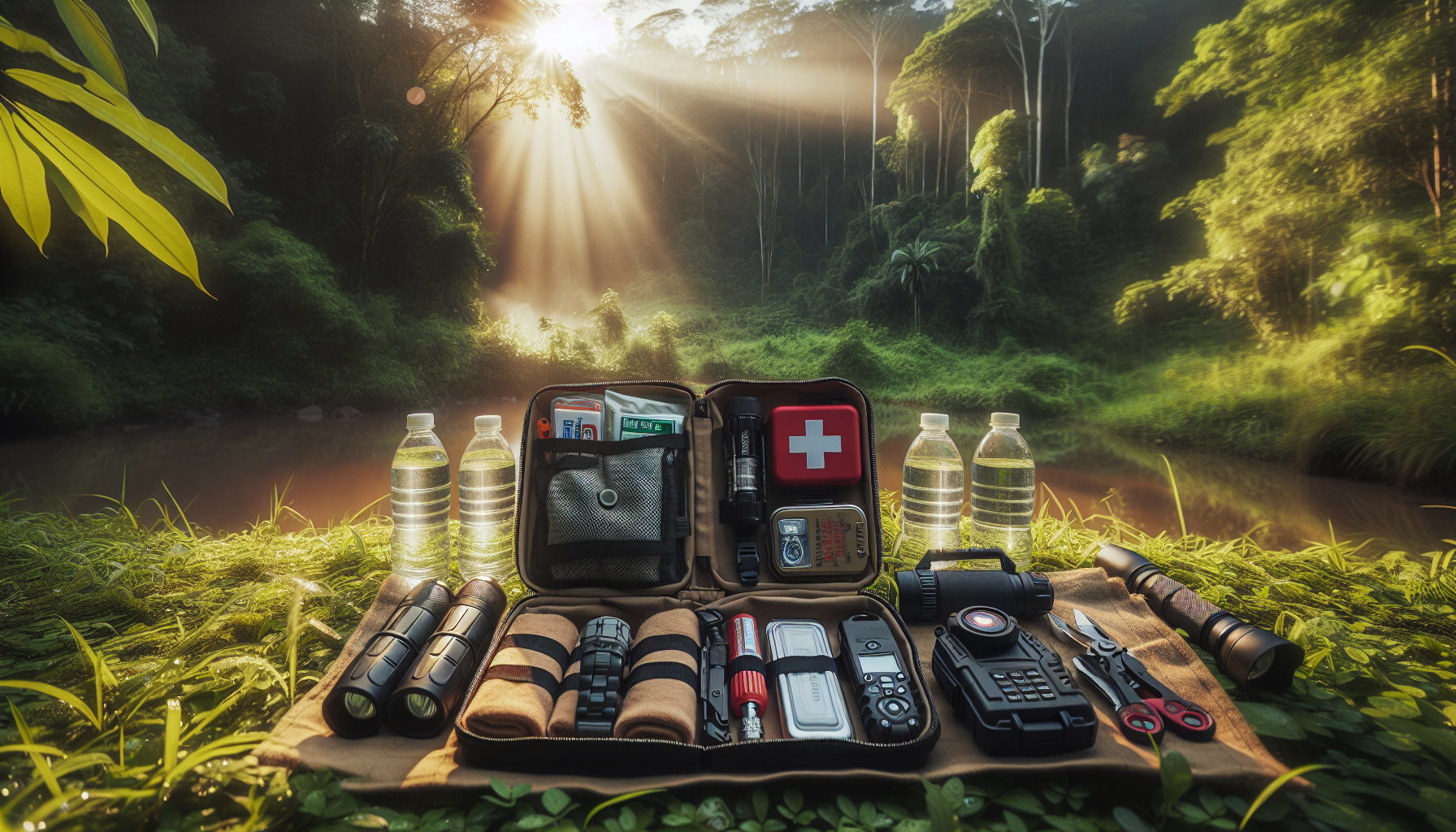
A car emergency kit is an essential collection of items designed to help you handle unexpected situations on the road. Whether dealing with a flat tire, sudden weather hazards, or more serious emergencies, a well-equipped kit can be a lifesaver. This guide explores 25 car emergency kit essentials every driver should consider, providing peace of mind for your travels.
Understanding the Importance of a Car Emergency Kit
Many drivers underestimate the importance of a car emergency kit, thinking that breakdowns and emergencies are unlikely to happen to them. However, these situations can arise unexpectedly. A car emergency kit ensures you are prepared for various scenarios, from mechanical failures to health emergencies. These kits are particularly vital if you frequently travel long distances or through remote areas. By having the right tools and supplies, you significantly increase your ability to handle adverse situations safely and efficiently.
Effective preparedness involves regularly checking your kit and making necessary updates to meet seasonal demands. To get a complete understanding of what your kit should include, download our free checklist at PrepReady Free Resources.
What Should Be in Your Car Emergency Kit?
Your car emergency kit should include items that cover basic survival needs, mechanical repairs, and first aid. Here’s a detailed list of essential items:
- First Aid Kit: Include bandages, antiseptic wipes, gauze, adhesive tape, scissors, and pain relief medication.
- Water: Store at least 1 liter per person, per day. Consider a 3-day supply.
- Non-perishable Snacks: High-energy foods like energy bars, nuts, and dried fruits.
- Warm Blanket: Essential for warmth in cold weather.
- Flashlight: LED flashlights are durable and energy-efficient.
- Multi-tool: A compact tool with a variety of functions can be invaluable.
- Reflective Warning Triangle: Makes your vehicle visible to other drivers.
- Jumper Cables: Essential for reviving a dead battery.
- Tire Repair Kit: Useful for temporary fixes.
- Fire Extinguisher: Designed for vehicle use and easily accessible.
- Emergency Phone Charger: Keep a power bank or car charger able to recharge your phone.
- Tow Strap: Useful if your vehicle becomes stuck.
- Road Map: A paper version in case GPS fails.
- Heavy-duty Gloves: Protects hands during repairs.
How to Build Your Car Emergency Kit Step-by-Step
Building your car emergency kit doesn’t have to be overwhelming. Follow these step-by-step instructions:
- Evaluate Your Needs: Consider your usual routes, the season, and any specific health requirements.
- Gather Items: Use the list above as a checklist. Prioritize according to your budget and space availability.
- Select a Container: Choose a durable, compartmentalized bag or box to keep items organized and accessible.
- Pack Smart: Arrange items with frequent-use tools and emergency contacts on top for easy access.
- Secure in Vehicle: Ensure your kit is stored in a convenient yet secure place, such as the trunk or under a seat.
With this practical approach, you can build an effective kit tailored to your specific needs. For a comprehensive guide, view our complete guide in our printable PDF library.
Top Products to Include in Your Car Emergency Kit
Here’s a comparison table to help you choose some top products suited for your car emergency kit:
| Product | Features | Price Range | Best For |
|---|---|---|---|
| Duracell LED Flashlight | Long-lasting, waterproof | $15-$30 | All-purpose lighting |
| AAA 42 Piece First Aid Kit | Compact, wide range of items | $25-$40 | Basic medical emergencies |
| NOCO Boost Jump Starter | Portable, powerful jump starter | $100-$150 | Battery failures |
| LifeStraw Water Filter | Compact, filters up to 1000L | $20-$40 | Emergency water filtration |
| Sojoy Winter Emergency Blanket | Heated, fleece-lined | $20-$35 | Cold weather warmth |
Common Mistakes to Avoid When Packing Your Kit
Even with the best intentions, it’s easy to make mistakes when assembling a car emergency kit. Avoid these common pitfalls:
- Overpacking: While it’s important to be prepared, a kit that is too heavy can become cumbersome.
- Ignoring Expiry Dates: Regularly check and replace items like food, water, and first aid supplies to ensure they are usable.
- Storing Inaccessibly: Place your kit where it can be reached easily, not buried under everyday items.
- Forgetting Regular Maintenance: Perform regular checks on items like batteries and tools to ensure functionality when needed.
Proper planning and maintenance are key to staying prepared.
Frequently Asked Questions
What should I include in my car emergency kit?
Your kit should include a first aid kit, water, non-perishable snacks, a flashlight, jumper cables, and a multi-tool among others.
How often should I check my car emergency kit?
Check your car emergency kit at least twice a year, or more frequently if you frequently travel long distances or in varying weather conditions.
What are the top five car emergency kit essentials?
The top five essentials are a first aid kit, a flashlight, jumper cables, a multi-tool, and water.
How do I store my emergency kit in the car?
Store your emergency kit in an easily accessible place, like the trunk or under the front seat, to ensure quick access when needed.
What is the best way to prepare for roadside emergencies?
The best way to prepare is by having a well-stocked emergency kit, regular vehicle maintenance, and being informed about driving conditions.
Ready to Get Started?
Download our free printable checklists and start building your preparedness foundation today. No fluff, just practical tools you can use right away.