
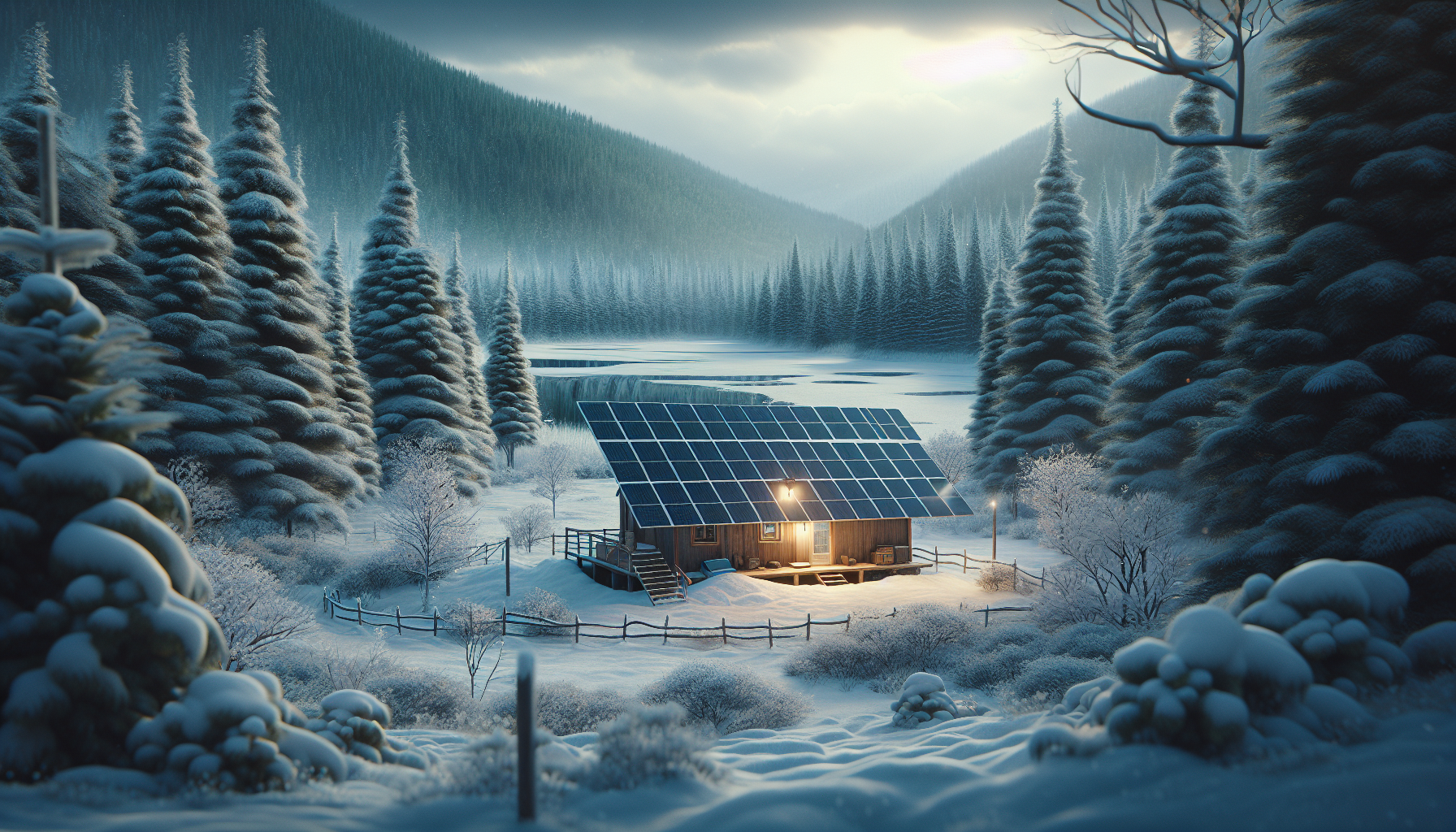
As the cold months approach, those living off-grid need to make crucial adjustments to their power systems to endure the winter season. At the heart of sustainable energy choice lies winter solar power, a viable and eco-friendly option for those disconnected from the main power grid. Comprehending how winter solar power differs from standard solar power is crucial for maintaining an off-grid lifestyle during colder periods.
Introduction to Winter Solar Power
Winter solar power refers to the practice of harnessing solar energy during the colder months, when available sunlight is sparse and conditions are often less than ideal. It becomes increasingly important for individuals living off-grid, as reliance on traditional power sources might not be an option. In essence, winter solar power helps maintain the comfort and functionality of your dwelling when temperatures plummet and sunlight hours shrink.
Understanding Solar Power in Winter
Solar power in winter operates on the same fundamental principle as any other time of the year: converting sunlight into electricity. However, its efficiency can fluctuate due to variations in weather conditions such as shortened daylight hours, increased cloud cover, and potential snow covering.
A common myth is that solar panels do not function in cold weather, but the reality is that they can be even more efficient when temperatures drop. Photovoltaic (PV) cells work by absorbing light, not heat, and cold weather reduces the resistance in electrical connections, improving the flow of electricity.
Let’s compare solar power output during summer and winter months:
| Factor | Summer | Winter |
|---|---|---|
| Daylight Hours | Longer (10-12 hours) | Shorter (6-8 hours) |
| Temperature | Higher | Lower |
| Efficiency | Moderate | Potentially Higher |
Essential Components of an Off-Grid Solar System
To effectively harness solar power during winter, an off-grid solar system needs a few essential components:
- Solar Panels: Choose panels that perform well in low light and are durable against extreme weather.
- Inverter: Converts the DC electricity produced by solar panels into AC electricity for home use.
- Batteries: Capable of storing excess energy for use during nighttime or cloudy days; lithium-ion batteries are recommended for their efficiency.
- Charge Controller: Prevents batteries from overcharging and ensures efficiency.
- Mounting Systems: Consider adjustable mounts that can be inclined to capture more sunlight during low sun angles in winter.
How to Optimize Solar Energy in Cold Weather
To maximize solar energy production during the cold months, implement these techniques:
- Maintain Solar Panels: Regularly clear snow and debris to prevent shading and maintain efficiency. Using a soft brush can help.
- Optimize Panel Angle: Adjust the tilt of solar panels to capture the low winter sun angle.
- Monitor Usage: Track energy consumption diligently to manage reserves effectively during reduced production.
- Upgrade Your System: Invest in high-efficiency panels and a reliable storage system to increase output even in limited sunlight.
Common Challenges with Winter Solar Power
To ensure your off-grid solar system consistently provides power throughout winter, anticipate and mitigate these challenges:
- Snow Accumulation: Keep panels free from snow to ensure uninterrupted sunlight exposure.
- Storm Damage: Protect your panels during storms with appropriate shields or positioning.
- Shading: Usual winter coverage like trees or buildings may cause shading. Trim any obstructive foliage early.
- Temperature Variations: Although cooler temperatures assist efficiency, extreme cold can affect battery storage. Insulate battery enclosures when necessary.
Solar Energy Tips for Beginners
For those new to solar power and off-grid living, consider these beginner-friendly tips:
- Start small and scale up your system as you become more familiar with your energy needs.
- Educate yourself continuously about solar technology advancements.
- Join online communities or local workshops for real-world insights and advice.
Conclusion
Embracing winter solar power for off-grid living is not just sustainable but empowering, providing independence from conventional power sources. As you adopt these strategies and solutions, remember that each adjustment brings you one step closer to efficient and harmonious living with nature.
How does solar power work in winter?
During winter, solar panels harness available sunlight to produce electricity, albeit with reduced hours and potential weather-related challenges like snow cover affecting efficiency.
Can solar panels work in cold weather?
Yes, solar panels can operate effectively in cold weather because photovoltaic cells convert light into electricity, not heat. Cold temperatures can even enhance electricity flow.
What are the best solar energy tips for beginners?
Start small, continue learning, and connect with experienced communities to build confidence and knowledge in managing solar systems.
How can I ensure my off-grid solar system works in winter?
Maintain your system by clearing snow, optimizing panel angles, ensuring efficient battery storage, and monitoring system performance and energy usage closely.