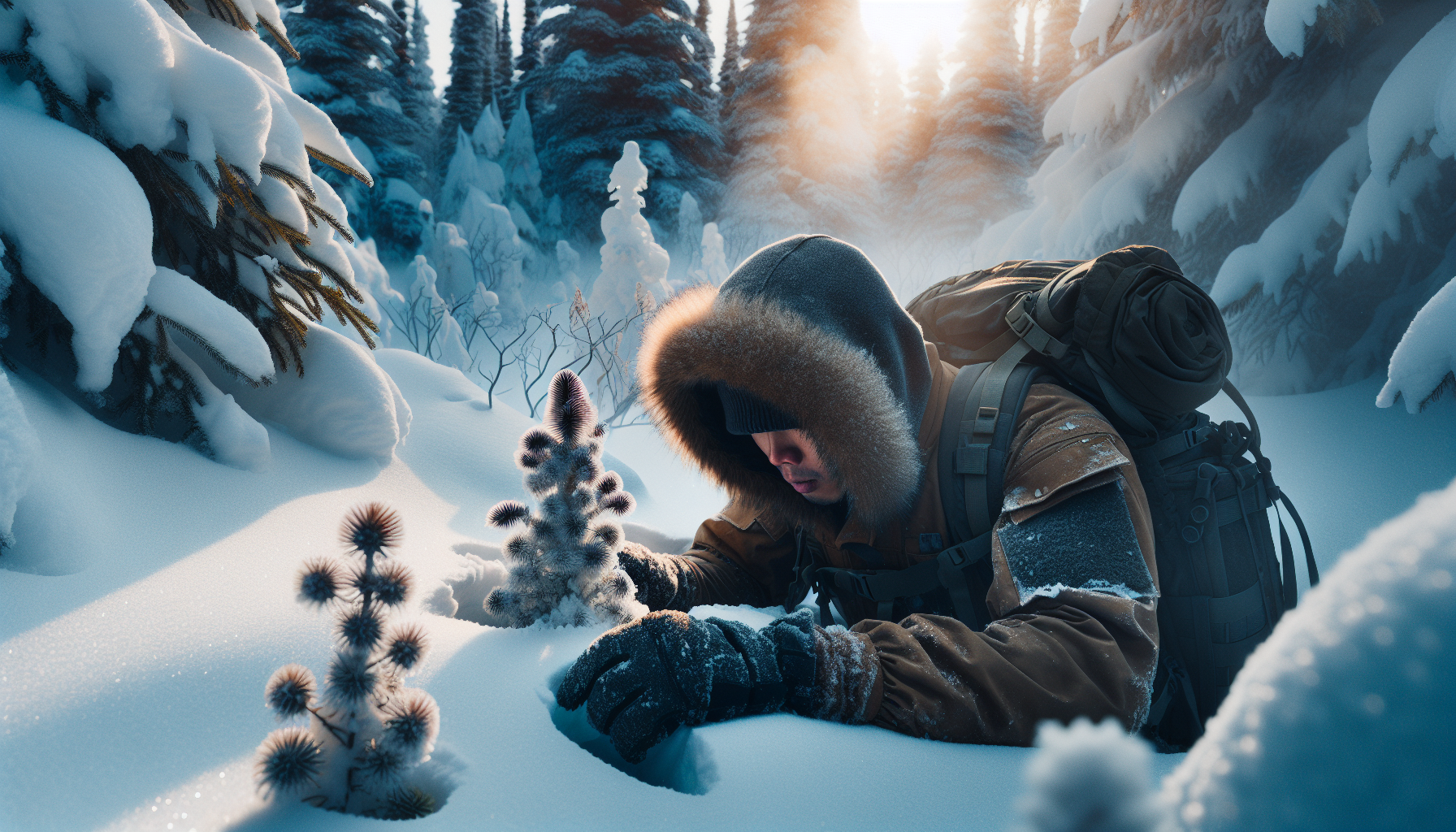

Winter foraging offers a unique opportunity for ham radio operators to combine their love for communication with the art of finding wild edible plants during the colder months. This guide delves into the essentials of winter foraging, specifically tailored for those who thrive on ham radio operations. By understanding the natural bounty available even in the coldest seasons, you can ensure both safety and sustenance in the wild.
Introduction to Winter Foraging for Ham Radio Operators
Foraging is a practice of gathering wild food sources that dates back to humanity’s earliest days. In winter, this age-old survival skill becomes crucial, especially for ham radio enthusiasts exploring remote areas. Utilizing your radio skills, you can secure communication in case of emergencies while immersing in the foraging experience. This article will guide you through the types of edible plants available in winter and the techniques to forage them safely.
Understanding Winter Wild Plants
Several wild plants are resilient enough to thrive in winter’s harsh conditions. Recognizing these plants ensures a reliable supply of nutrients even when the ground is frozen. Key winter wild plants include:
- Pine Needles: Rich in vitamin C, pine needles can be brewed into a tea.
- Wintergreen: Its leaves and berries offer a minty flavor and contain salicylic acid.
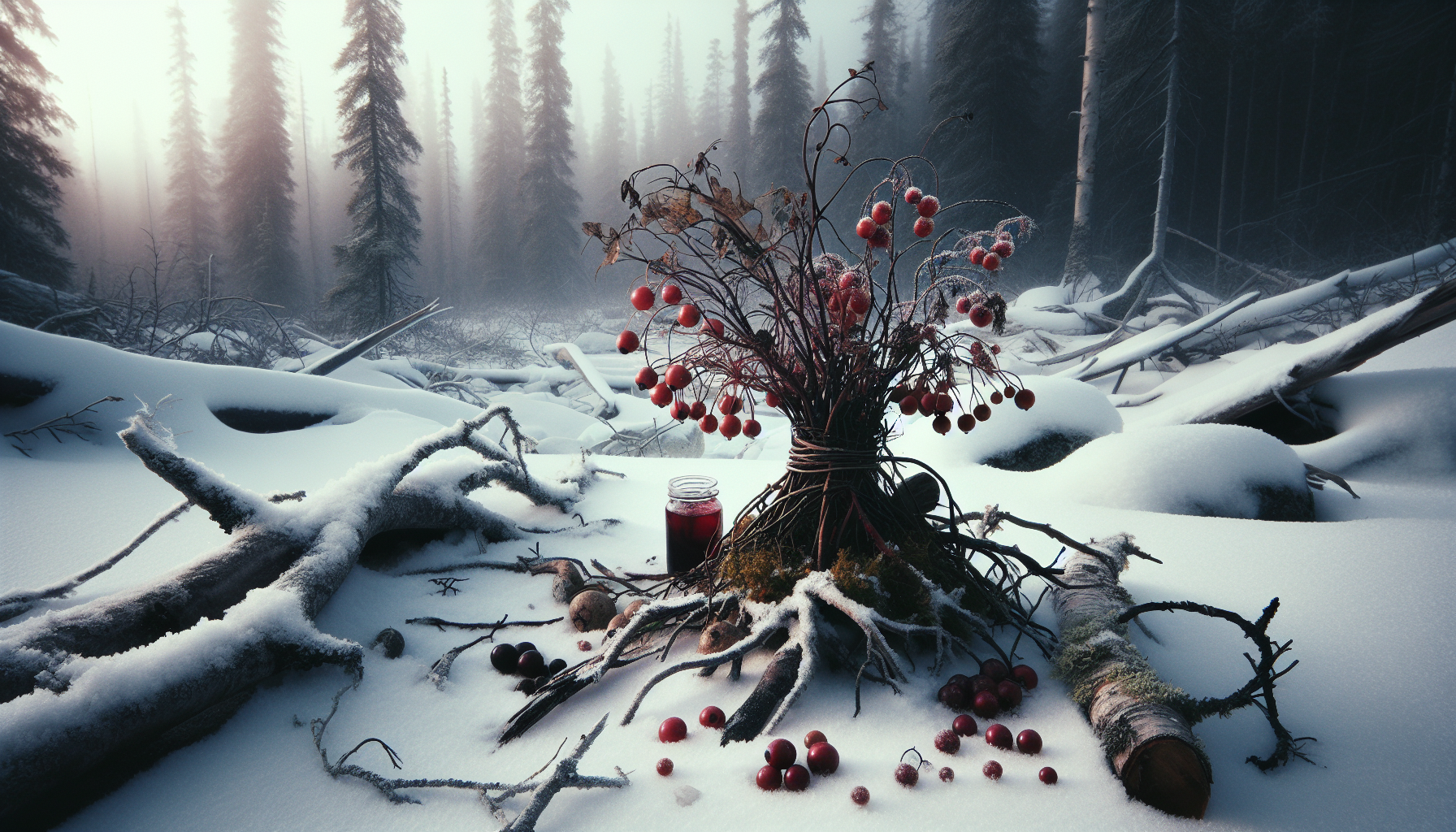
- Rose Hips: These red fruits are packed with vitamin C, perfect for warding off colds.
For successful identification, observe characteristics such as leaf shape and color, taking care to verify each plant before consuming. Using a field guide during your expeditions can greatly aid in accurate identification.
Essential Ham Radio Foraging Tips
Combining ham radio skills with foraging can enhance your survival capabilities considerably. Here are some practical tips:
- Pre-Trip Planning: Before heading out, ensure your radio equipment is fully charged and tested, maintain a log of your planned foraging route, and inform others of your schedule.
- Emergency Frequencies: Familiarize yourself with local emergency frequencies to stay informed about weather updates and potential hazards.
- Range Optimization: Adjust your radio’s antenna and settings to maximize range and clarity, ensuring you remain in contact even in remote areas.
Survival Foraging Techniques for Winter
Winter foraging demands specific skills to navigate and survive in challenging conditions. Here’s how you can enhance your survival techniques:
- Layering Clothing: Dress in layers to regulate body temperature, keeping dry to prevent hypothermia.
- Efficient Navigation: Use natural landmarks in combination with your GPS and topographical maps to prevent getting lost.
- Shelter Building: Learn basic snow shelter construction, like the Quinzee or snow cave, for emergency protection.
How to Safely Forage in Winter
| Step | Description |
|---|---|
| Dress Appropriately | Wear warm, waterproof clothing with good insulation and sturdy boots. |
| Plan Your Route | Map out your route beforehand and carry a compass and GPS device. |
| Know the Area | Research the local flora to understand regional wild plant communities. |
Always prioritize safety by planning your routes ahead of time and keeping a communication line open with a trusted source.
Conclusion: Combining Ham Radio and Foraging Adventures
Embarking on a winter foraging expedition as a ham radio operator can be a deeply rewarding experience, providing nourishment and fostering self-reliance. By blending communication prowess with the art of foraging, you ensure a safe and successful adventure. Always strive to enhance your skills and knowledge, whether through practice or study, as both help in achieving more efficient and enjoyable excursions.
What are the best winter wild plants to forage?
Some of the best plants include pine needles, wintergreen, rose hips, and certain types of mushrooms like the wood ear or oyster mushrooms, provided you can accurately identify them.
How can ham radio be used during winter foraging?
Ham radio provides a vital line of communication for updates, emergencies, and maintaining contact with others in your group or support system while foraging.
What safety tips should I follow while foraging in winter?
Plan your route, carry a first-aid kit, dress warmly, and inform someone of your itinerary. Keep your emergency contacts handy and regularly check in through your radio.
Are there any special techniques for survival foraging in winter?
Yes, learn to identify edible plants, stay hydrated, understand weather patterns, and know how to build temporary shelters to protect yourself from the elements.