Mastering the Art of Starting a Fire in Wet Weather
When it comes to outdoor adventures or survival situations, knowing how to start a fire in wet weather is an essential skill. Whether you’re an avid camper, a survival enthusiast, or someone preparing for an emergency, mastering the art of starting a fire in damp conditions can make all the difference. In this comprehensive guide, I’ll walk you through effective fire starting techniques, offer survival fire tips, and highlight essential safety considerations to ensure you’re prepared, no matter the weather.
Understanding the Challenges of Wet Weather
Starting a fire in wet weather presents unique challenges. Damp conditions can make it difficult for tinder and kindling to catch fire, and saturated wood often refuses to burn. Rain, snow, and high humidity can quickly extinguish a flame, leaving you cold and frustrated. It’s crucial to understand these challenges so you can adapt your approach and succeed in creating a warm, sustaining fire.
Wet weather affects the availability of dry materials, often requiring you to dig deep or search extensively for usable resources. Even the best fire starting techniques can falter if you don’t prepare adequately and adjust to the conditions at hand. Understanding how wet weather impacts fire building is the first step in overcoming these obstacles.
Fire Starting Techniques for Wet Conditions
To successfully start a fire in wet weather, you’ll need to employ specific techniques and tools designed for such challenging conditions. Here are some reliable methods:
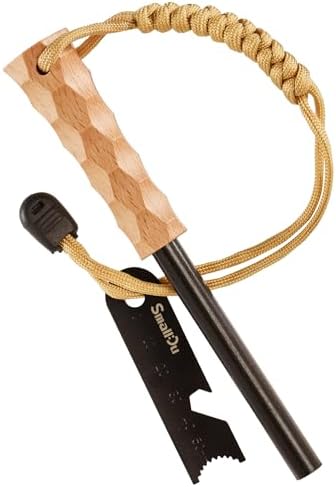
- Use a Fire Starter Kit: A good fire starter kit can be your best friend in damp conditions. The Swiss Safe 5-in-1 Firestarter is beginner-friendly and versatile, offering multiple fire-starting tools to ensure ignition even when materials are damp. I recommend this kit for its reliability and ease of use—it’s a staple in my outdoor gear.
- Gather Dry Materials: Look for dry tinder under logs or in sheltered areas. Pine needles, birch bark, and dry grasses are excellent choices. If possible, use a knife to shave off the wet outer layers of sticks to reveal dry wood inside.
- Create a Base: Build a base of dry materials to lift your fire off the wet ground. This can be accomplished using small logs, rocks, or even a layer of bark to prevent moisture from seeping up into your tinder.
- Use a Reflective Surface: Position a reflective surface, such as a piece of aluminum foil or a camping stove reflector, behind your fire. This helps radiate heat back toward the fire, improving combustion efficiency.
- Opt for a Teepee or Lean-To Structure: Constructing a teepee or lean-to fire structure allows for better airflow, which is crucial in wet conditions. It helps the fire to catch and sustain itself by concentrating heat at the center.
Preparing for a Successful Fire
Preparation is key when starting a fire in wet weather. Here are steps to ensure you’re ready:
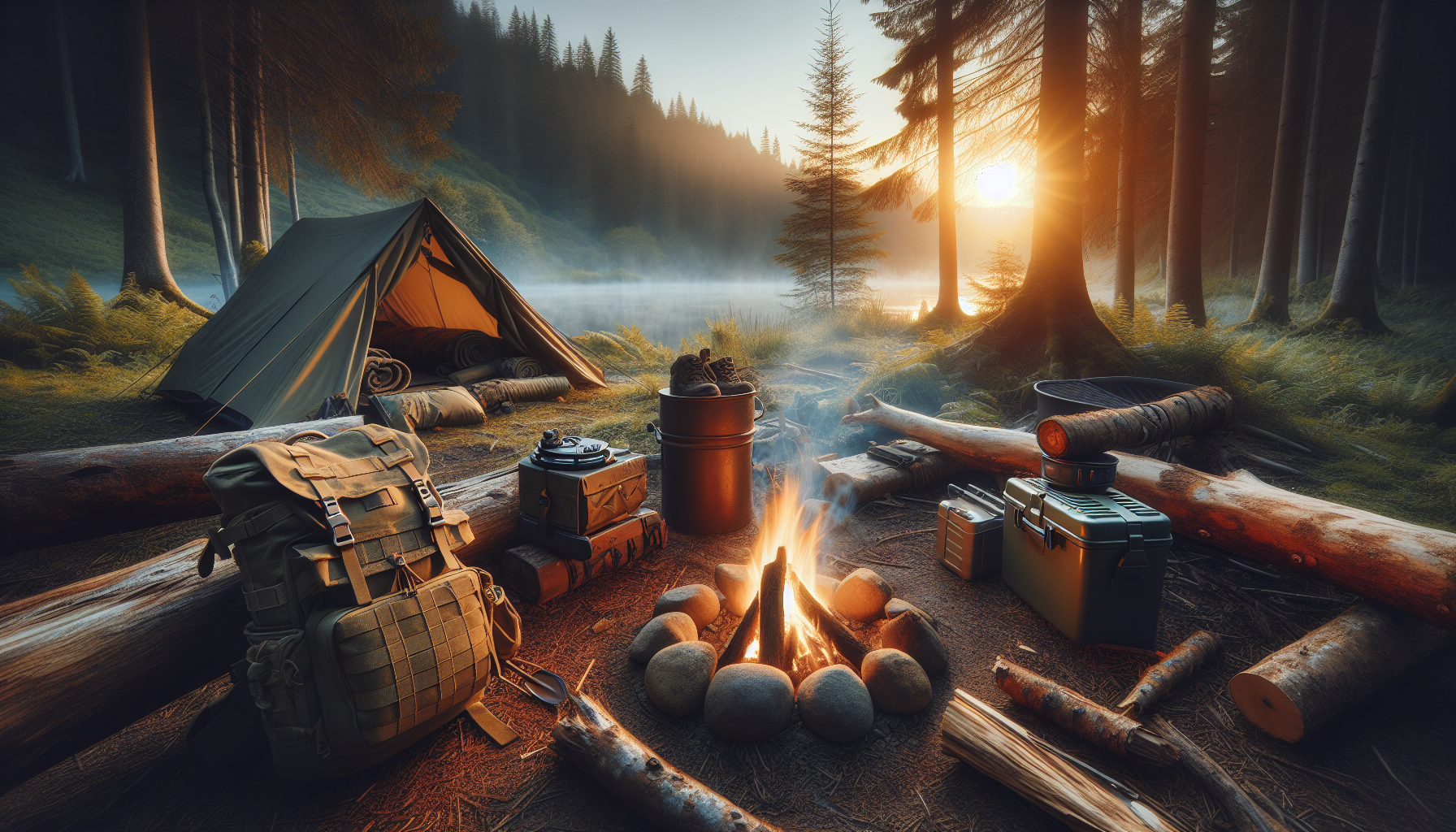
- Select the Right Site: Choose a location that’s sheltered from wind and rain. Look for natural windbreaks or build your own using rocks or logs. Ensure the ground is relatively dry, or elevate your fire on a bed of rocks or logs.
- Gather Ample Materials: Collect more tinder, kindling, and fuel than you initially think you’ll need. In wet weather, materials burn faster and require frequent replenishment.
- Keep Materials Dry: Store your tinder and kindling in a waterproof bag or container. This protects them from rain and helps retain their dryness until needed.
Survival Fire Tips for Beginners
Lighting a fire in challenging weather can be daunting for beginners. Here are some survival fire tips to increase your chances of success:
- Practice Patience: In my experience, patience is your best ally. Don’t rush the process. Allow your tinder to catch and build a small flame before adding larger pieces of kindling.
- Use Fire Starters: Carry reliable fire starters like waterproof matches or a butane lighter as backups. These can be invaluable when traditional methods falter.
- Ventilation is Key: Ensure adequate airflow by leaving space between logs and kindling. Good ventilation sustains the fire and helps prevent it from suffocating.
- Maintain the Fire: Once your fire is established, keep feeding it with dry materials. Stay vigilant to maintain its strength, especially in fluctuating weather conditions.
Winter Preparedness: Fires in Cold and Wet Weather
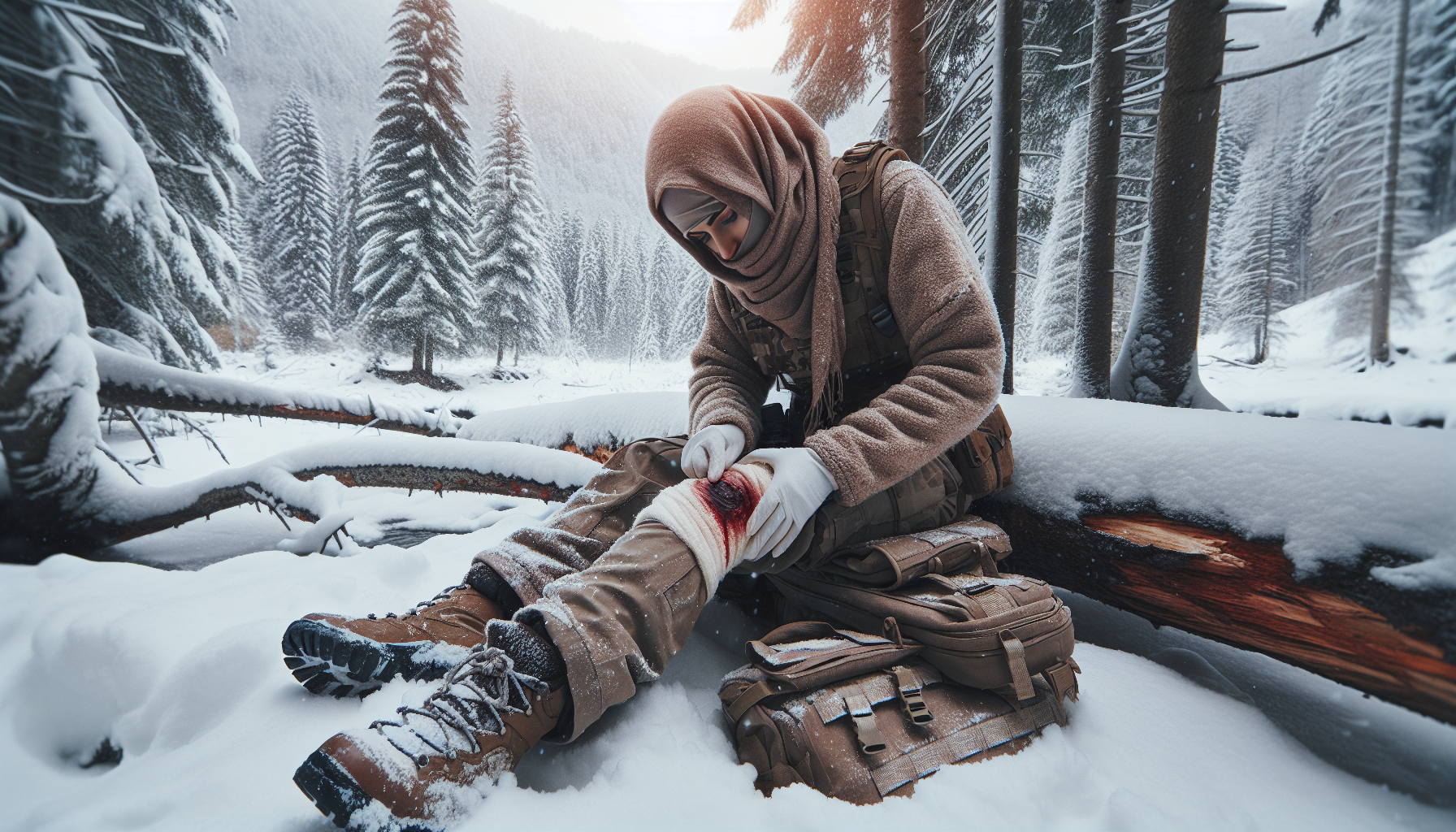
Winter conditions add another layer of complexity to starting a fire. Cold air can sap heat rapidly, making it crucial to adapt your fire-building techniques:
- Insulate the Base: Use additional insulation to keep the fire off the cold ground. Snow and ice can melt and refreeze, complicating your efforts.
- Focus on Heat Retention: Construct a windbreak or reflective wall to capture and retain heat. This is especially important in frigid temperatures.
- Stay Dry: Protect yourself from the elements with waterproof clothing and gear. Staying dry ensures you can focus on fire building without discomfort.
Outdoor Fire Safety Considerations
Safety should always be a priority when starting fires outdoors. Here are essential safety tips:
- Check Local Regulations: Before starting a fire, ensure it’s permitted in the area. Some regions have restrictions, especially during dry seasons or high-risk periods.
- Prepare a Safety Perimeter: Clear the area around your fire of debris and flammable materials. A clear perimeter reduces the risk of the fire spreading.
- Have Extinguishing Methods Ready: Keep water, sand, or a fire extinguisher nearby to put out the fire quickly if needed.
- Never Leave a Fire Unattended: Always supervise your fire and ensure it’s completely extinguished before leaving the site.
Conclusion
Starting a fire in wet weather requires preparation, the right tools, and a healthy dose of patience. By employing the techniques and tips outlined above, you’ll be well-equipped to handle the challenges of damp conditions. Remember, practice makes perfect, so don’t wait for an emergency to hone your skills. Test different methods and find what works best for you.
—
FAQ
What materials are best for starting a fire in wet weather?
Dry tinder such as birch bark, pine needles, and dry grasses are ideal. Look for these materials under logs and in sheltered areas.
How can I ensure my fire remains stable in rainy conditions?
Use a reflective surface to radiate heat back to the fire, and construct a windbreak to protect it from the wind. Continuously add dry materials to sustain the fire.
What is the best firestarter kit for beginners?
I recommend the Swiss Safe 5-in-1 Firestarter for its versatility and reliability in various conditions.
Are there any specific safety precautions for outdoor fires?
Ensure a clear safety perimeter, have extinguishing methods ready, and never leave the fire unattended. Always check local regulations before starting a fire.
—
Final Thoughts
Starting a fire in wet weather can be a challenging yet rewarding skill to master. With the right preparation and techniques, you can confidently tackle even the most adverse conditions. Whether you’re camping, hiking, or preparing for emergencies, these skills are invaluable. I encourage you to practice regularly and refine your methods for the best results.
Disclosure: This post contains affiliate links, which means I may earn a commission if you click through and make a purchase. As an Amazon Associate, I earn from qualifying purchases. This comes at no extra cost to you and helps support the blog. I only recommend products I personally use or genuinely believe will add value to your preparedness journey.