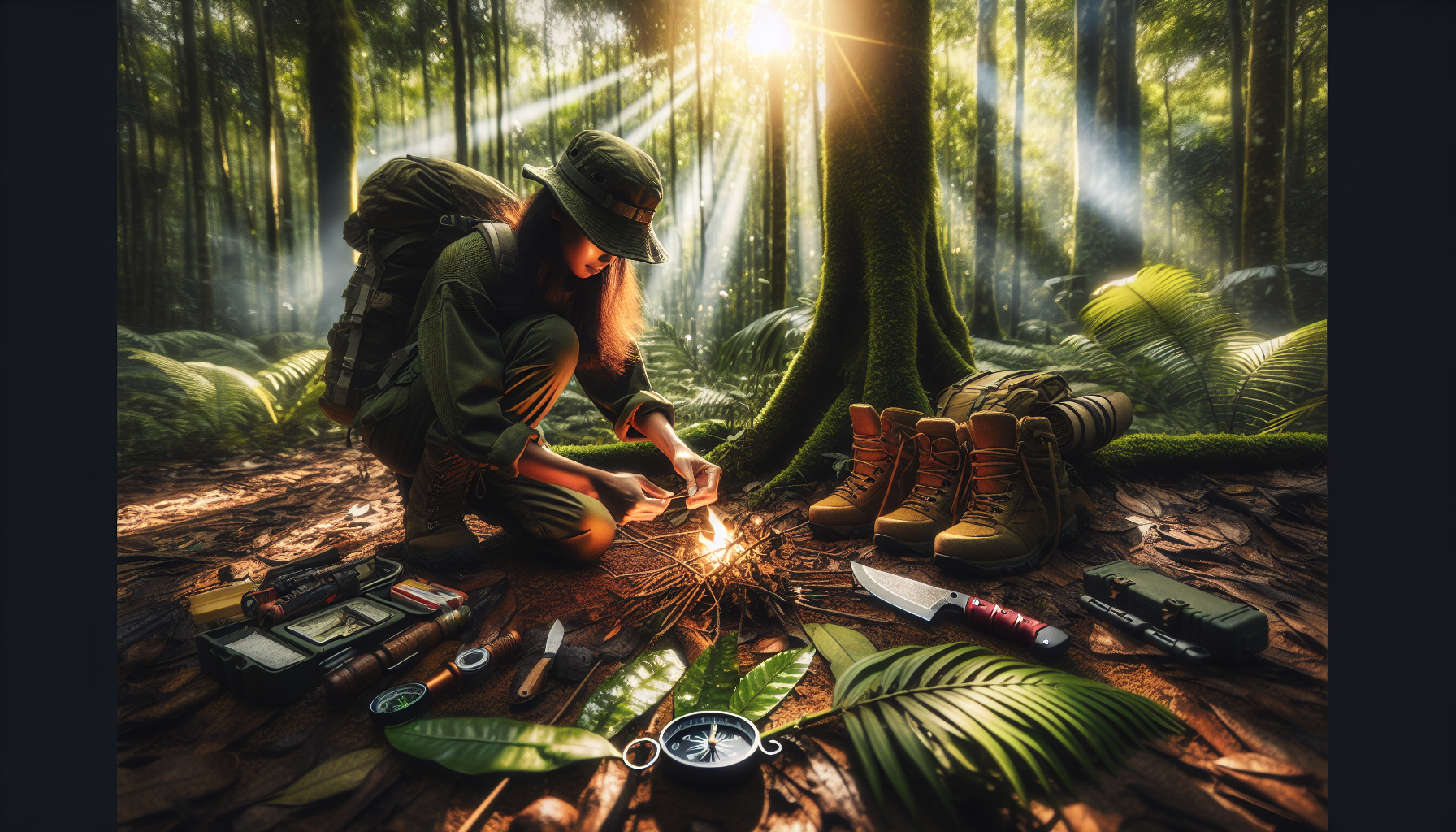
Learning how to start fire without matches is a fundamental survival skill for any prepper. This essential ability helps you generate warmth, cook food, and signal for help when traditional means are unavailable. Mastering the art of fire starting without matches involves understanding various techniques that rely on natural or simple mechanical methods.
Understanding Fire Starting Without Matches
Starting a fire without matches requires knowledge of alternative methods that can be easily executed with minimal gear. These techniques are crucial in emergencies, as they offer reliable options when modern conveniences fail. For preppers keen on broadening their survival skills, mastering these methods is both empowering and practical. Key approaches include using a ferrocerium rod, friction-based methods like the bow drill, and utilizing natural resources like sunlight with a magnifying glass.
Enhance Your Skills
Download our free checklist at PrepReady Free Resources to ensure you have all the tools and knowledge you need for fire starting without matches.
Using a Ferrocerium Rod
A ferrocerium rod, commonly known as a ferro rod, is a fire starter that creates sparks when scraped against a hard surface. This lightweight and portable tool is a favorite among survivalists due to its durability and reliability.
Steps to Use a Ferrocerium Rod
- Gather tinder such as dry leaves, grass, or thin strips of bark.
- Hold the ferro rod in one hand and the scraper in the other, positioning the rod near the tinder.
- Strike the rod firmly with the scraper in a quick, downward motion to create sparks.
- Direct the sparks onto the tinder until it ignites.
- Carefully add larger kindling to build up the fire.
For best results, keep your ferro rod dry and store it in a waterproof container. Consider purchasing a ferrocerium rod from our recommended survival gear selection for quality assurance.
Fire by Friction: The Bow Drill Technique
The bow drill is a primitive fire starting technique that uses friction to produce an ember. This method is resourceful but requires practice to perfect.
Components Required
- Bow: A curved piece of wood with a cord attached.
- Spindle: A straight, cylindrical piece of wood.
- Fireboard: A flat piece of wood with indentations for the spindle.
- Handhold: A block of wood or stone to hold the spindle.
How to Use the Bow Drill
- Place the spindle in the notch on the fireboard and loop the bowstring around the spindle.
- Hold the handhold on top of the spindle with one hand to apply pressure.
- Move the bow back and forth to rotate the spindle and create friction.
- Once smoke appears, keep drilling until an ember forms in the fireboard’s notch.
- Transfer the ember to a tinder nest and blow gently to ignite.
Regular practice will improve your efficiency in using the bow drill method, making it a reliable backup option in survival situations.
The Hand Drill Method
For those seeking an even more primitive approach, the hand drill method is a reliable friction technique that requires patience and persistence.
Steps to Follow
- Select a dry spindle and a fireboard with a prepared notch.
- Place the spindle between your palms and position its base in the notch.
- Roll the spindle quickly between your hands while applying downward pressure.
- Maintain a steady pace to generate enough friction for an ember to form.
- Transfer the glowing ember to a tinder bundle and gently blow into it to start the fire.
Using a Magnifying Glass
Using a magnifying glass to ignite a fire is an ingenious method that utilizes the sun’s rays to produce heat sufficient for kindling.
Process Overview
- Find a dry, sunny location and gather fine tinder material.
- Hold the magnifying glass above the tinder at an angle that focuses the sunlight into a small, bright point.
- Adjust the magnifying glass until the focal point of light becomes intense enough to smolder the tinder.
- Once an ember develops, blow softly on it to help the fire spread to the rest of the tinder.
This method requires bright sunlight and is limited by weather conditions. Always practice safety and ensure you have proper control over potential flames.
Comparison of Fire Starting Techniques
| Method | Pros | Cons | Best For |
|---|---|---|---|
| Ferrocerium Rod | Durable, reliable, works when wet | Requires practice to use effectively | All-weather survival |
| Bow Drill | No tools required, teaches primitive skills | Time-consuming, requires consistent practice | Wilderness survival enthusiasts |
| Hand Drill | Minimal tools needed | Physically demanding, weather-dependent | More experienced preppers |
| Magnifying Glass | Harnesses solar energy, no physical exertion | Needs sunny conditions | Summertime or desert environments |
Common Mistakes to Avoid When Starting a Fire
Successful fire starting is as much about avoiding mistakes as it is about executing techniques correctly. Here are some pitfalls to watch for:
- Inadequate Preparation: Ensure you have ample tinder and kindling before starting.
- Using Wet Materials: Always use dry, dead wood and vegetation.
- Insufficient Airflow: Arrange materials to allow air circulation for a stronger flame.
Avoid frustration by practicing regularly in different conditions, allowing you to adapt your skills effectively.
Learn More Advanced Techniques
Enhance your preparedness skills with our in-depth guides available in the PrepReady PDF Library.
Frequently Asked Questions
What are the best tinder options for starting a fire?
Some of the best tinder options include dry grass, bark shavings, and cotton balls coated in petroleum jelly. These materials catch fire easily and sustain a flame long enough to ignite kindling.
How long does it take to start a fire using the bow drill method?
Starting a fire with the bow drill method typically takes 10-15 minutes for practiced individuals. Beginners might take longer, depending on the dryness of materials and skill level.
Can I start a fire without any tools at all?
Yes, the hand drill method requires no tools aside from natural materials, but it demands significant skill and effort. Mastery of this method is useful in resource-limited environments.
What types of wood are best for fire starting?
Softwoods such as cedar, pine, and willow are excellent for the spindle and fireboard in friction-based methods due to their lower ignition temperature.
What should I do if my fire won’t catch?
If your fire won’t catch, ensure your tinder and kindling are dry, and check that you have enough airflow. Revisiting your technique, such as adjusting your bow stroke or spindle speed, can also help.
How can I improve my fire starting skills over time?
Regular practice in varied conditions is key to improving your fire starting skills. Reading survival books, taking courses, and joining survival groups can also enhance your expertise.
Ready to Get Started?
Download our free printable checklists and start building your preparedness foundation today. No fluff, just practical tools you can use right away.