Preserving winter vegetables is an essential skill for anyone interested in sustainable living and ensuring a steady food supply year-round. This guide introduces five easy methods perfect for beginners looking to dive into the world of vegetable preservation. From traditional canning to innovative fermentation techniques, you’ll discover how to keep your home stocked with nutritious produce even during the coldest months.
Understanding Winter Vegetables
Winter vegetables, which thrive in cooler temperatures, include hardy greens like kale, root vegetables such as carrots and turnips, and members of the cabbage family. These vegetables have incredible nutritional benefits, offering a wealth of vitamins and minerals during a season when fresh produce is often sparse. Learning how to preserve them not only enhances your diet but also supports your goal of self-sufficiency through winter food storage.
1. Canning Techniques
Canning is a tried-and-true method of preserving vegetables that’s perfect for beginners. It involves placing vegetables in jars and heating them to a temperature that destroys microorganisms and inactivates enzymes. Here’s how you can start:
- Prep the Vegetables: Wash and chop your winter vegetables into uniform pieces.
- Prepare the Jars: Sterilize canning jars and lids to prevent contamination.
- Fill the Jars: Pack vegetables into the jars, leaving some space for expansion. Add a brine or water and vinegar solution, if needed.
- Process the Jars: Use a water bath or pressure canner to process the jars, ensuring safety and longevity.
- Seal and Store: Allow jars to cool and ensure the lids are sealed before storing them in a cool, dark place.
This table summarizes the two main canning methods:
| Method | Suitable Vegetables | Processing Time |
|---|---|---|
| Water Bath Canning | Tomatoes, pickles, jams | 35-85 minutes |
| Pressure Canning | Carrots, potatoes, green beans | 20-90 minutes |
2. Freezing Vegetables
Freezing is a straightforward way to preserve winter vegetables and retain their nutritional value. Follow these steps:
- Wash and Blanch: Clean your vegetables and blanch them briefly in boiling water to stop enzymatic actions.
- Dry and Pack: Drain and dry them thoroughly before spreading them out on a tray to pre-freeze.
- Seal and Freeze: Transfer them into airtight bags or containers, label, and place them in the freezer.
By organizing your frozen vegetables properly, you can extend their shelf life and maintain quality.
3. Drying and Dehydrating
Drying removes moisture from food, inhibiting the growth of bacteria and molds. You can air-dry, oven-dry, or use a food dehydrator:
- Air Drying: Best for herbs and some root vegetables. Hang them in a warm, dry place.
- Oven Drying: Use your oven’s lowest setting to dry thinly sliced vegetables.
- Dehydrator: Efficiently dries a variety of vegetables with consistent results.
Properly dried vegetables can be stored for many months, providing a valuable addition to your pantry.
4. Fermentation
Fermenting vegetables not only preserves them but also enhances their health benefits by creating probiotics:
- Prepare the Vegetables: Chop or shred your vegetables into small pieces.
- Create a Brine: Mix water with salt to make a brine solution.
- Pack and Ferment: Pack vegetables into jars, cover with brine, and leave at room temperature for several days to ferment.
- Seal and Store: Once fermented to your taste, seal jars and store them in the fridge.
This method is particularly popular for cabbage (sauerkraut) and cucumbers (pickles).
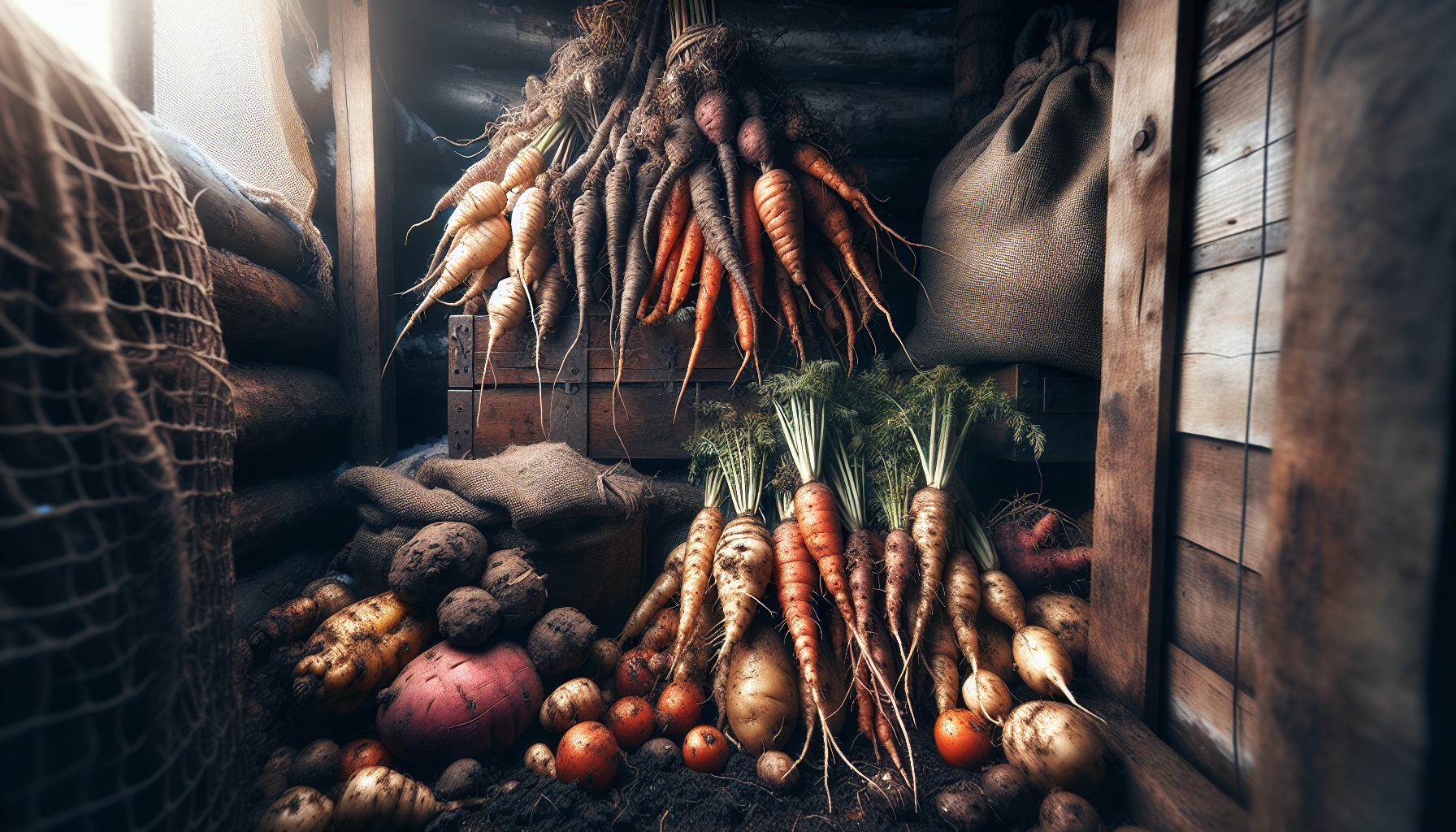
5. Root Cellaring
A root cellar leverages nature’s own refrigeration system. Follow these guidelines for effective storage:
- Temperature Control: Maintain a cool, humid environment for optimal storage conditions.
- Storage Prep: Place vegetables in bins filled with damp sand or sawdust.
- Avoid Light: Keep them away from direct sunlight to prevent sprouting.
With root cellaring, you can keep potatoes, carrots, and onions fresh for months without relying on electricity.
Conclusion
Preserving winter vegetables using these methods ensures a healthy food supply throughout the year. Each technique has its own unique benefits, so feel free to experiment and find what suits your lifestyle best. Happy preserving!
What are the best winter vegetables for preservation?
Some of the best winter vegetables to preserve include root vegetables like carrots, parsnips, and beets, as well as hardy greens like kale and Brussels sprouts.
How long can I store canned winter vegetables?
Properly canned winter vegetables can typically last for up to a year when stored in a cool, dark place.
Is freezing vegetables better than canning?
Freezing can be quicker and simpler than canning, but both methods have their advantages. Freezing preserves the texture and nutritional value better, while canning offers longer shelf life.
What tools do I need for preserving vegetables?
Basic tools for vegetable preservation include canning jars and lids, a pressure canner or water bath canner, a deep freezer, a dehydrator, and fermentation jars or vessels.