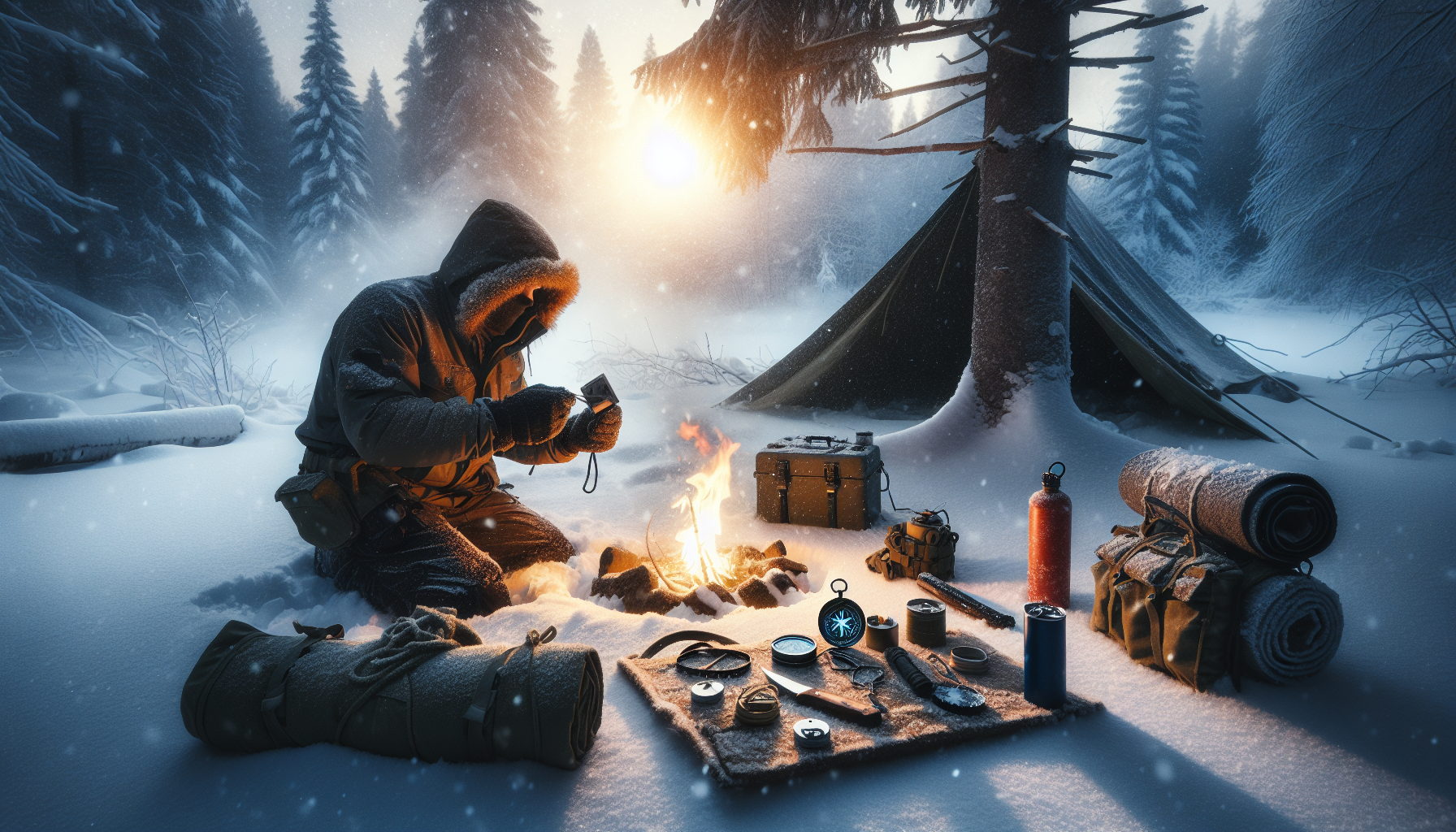
Winter adventures offer captivating landscapes and exhilarating experiences, but they also present unique challenges, especially when it comes to wound care. As outdoor enthusiasts, understanding and mastering winter wound care is crucial for ensuring safety and health during cold-weather activities. Winter wound care refers to the specialized techniques and precautions necessary for effectively treating injuries in cold environments, where factors like frostbite and hypothermia can complicate recovery.
Understanding Winter Wound Challenges
Winter climates introduce several challenges that make wound care more complex. One major issue is the risk of hypothermia, where the body loses heat faster than it can produce it, potentially affecting the body’s ability to heal. Frostbite is another significant concern; this occurs when skin and underlying tissues freeze, causing severe damage if not addressed promptly.
Moreover, cold weather can mask the severity of wounds due to numbed sensations, leading to underestimated or untreated injuries. Furthermore, the cold can lead to delayed immune responses, increasing the risk of infections. Understanding these challenges is the first step toward effective cold-weather wound management.
Essential Wound Care Basics for Cold Conditions
Winter wound care demands a focus on cleanliness and proper treatment to prevent complications. Here are some essential steps:
- Cleanse Thoroughly: Use warm, potable water to clean the wound if possible, and avoid icy or snow-infused water that can further reduce body temperature.
- Apply Antiseptic: Once cleaned, apply an antiseptic to prevent infections, which are more likely in cold conditions slowed by reduced blood flow.
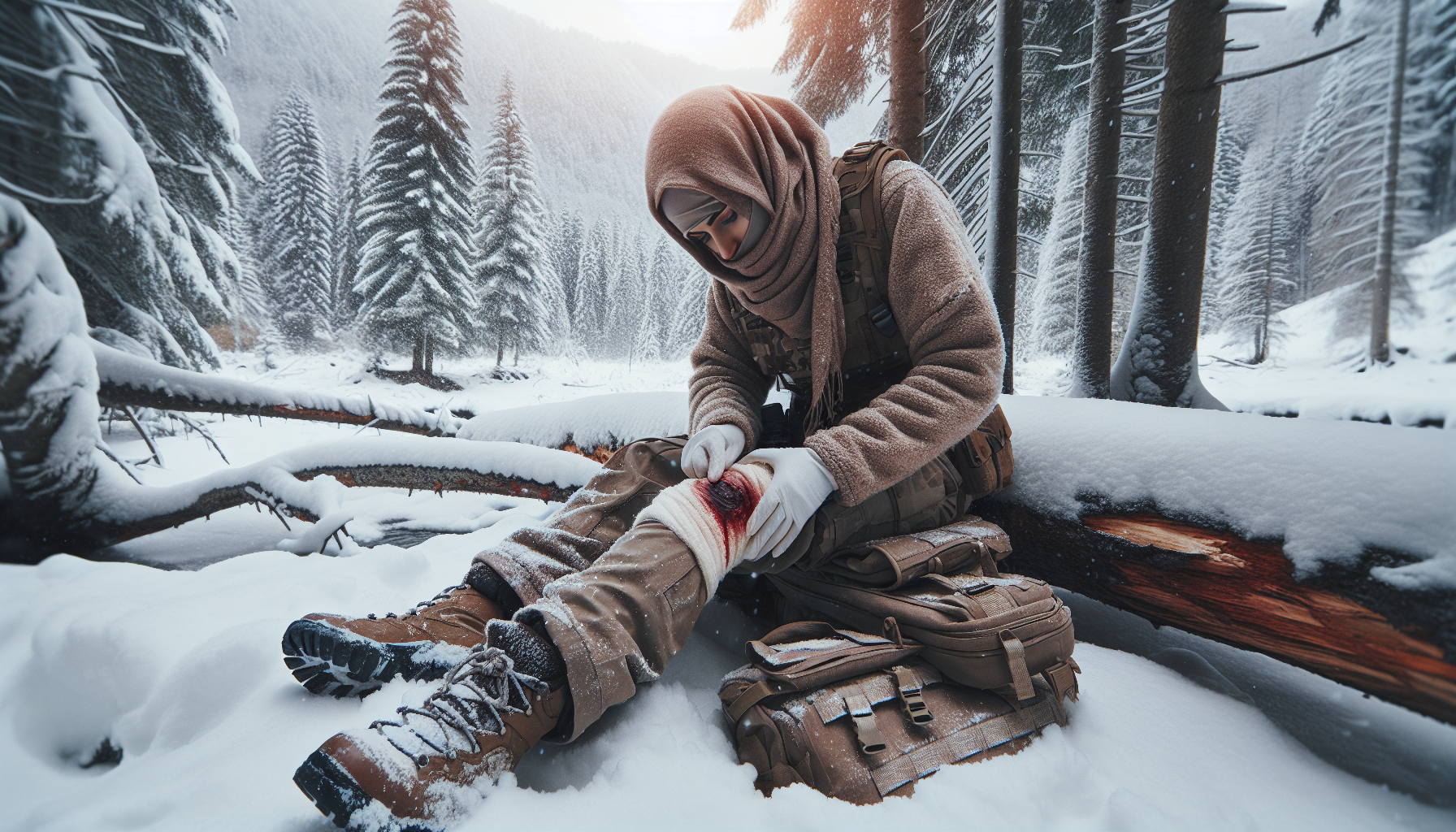
- Cover and Insulate: Use sterile bandages and ensure the injured area is insulated to maintain warmth. This protects against elements and aids in recovery.
- Monitor for Infections: Regularly check for signs of infection, such as increased pain, redness, or pus, which might require medical attention.
Outdoor First Aid Essentials for Winter Adventures
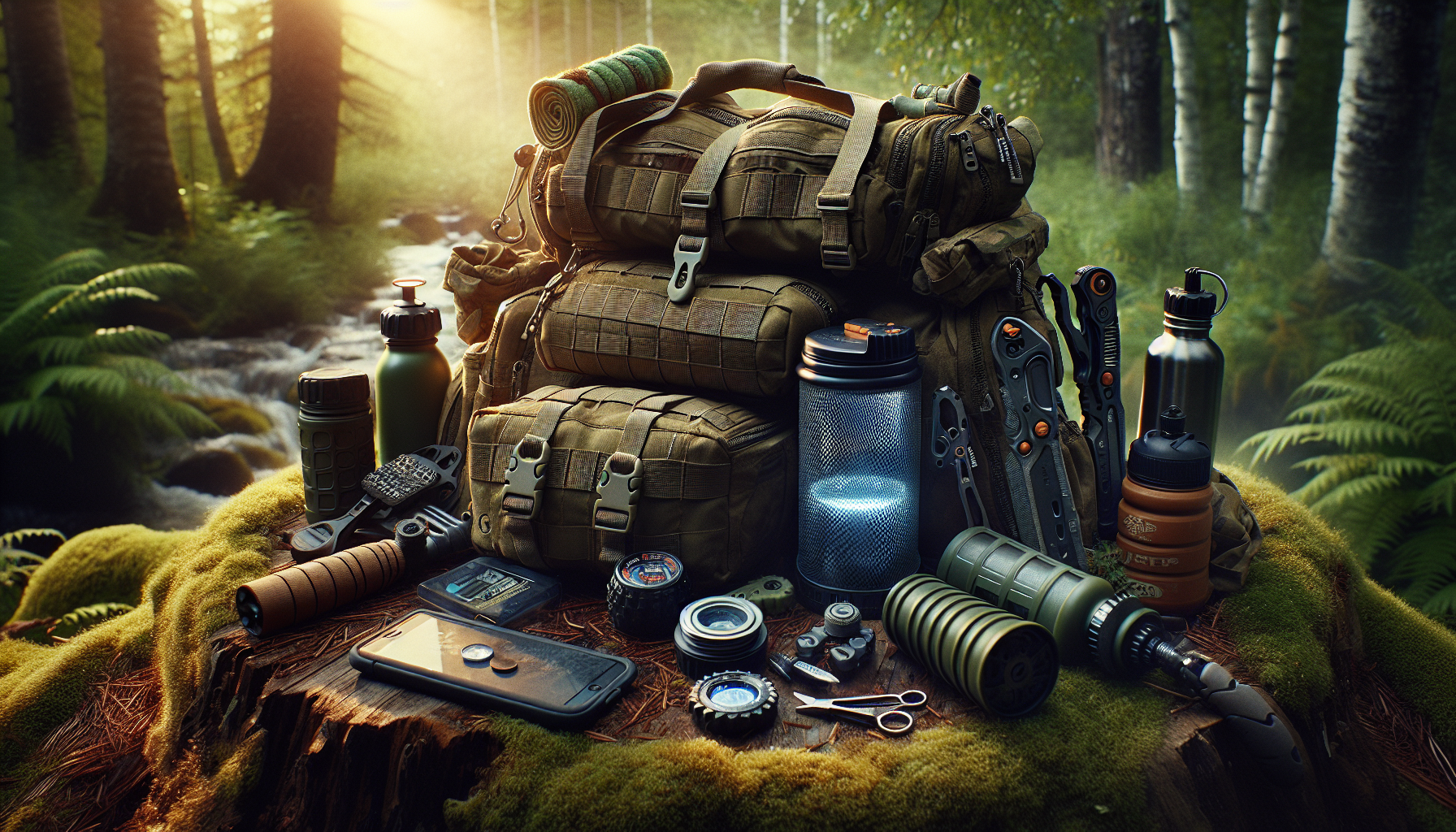
Having the right supplies can make a significant difference in managing injuries effectively in cold weather. Key items for your winter first aid kit include:
- Thermal blankets to prevent hypothermia
- Waterproof adhesive bandages and dressings
- Antibiotic ointments suited for colder environments
- Sterile gauze pads and adhesive tape
- Elastic wrap for sprains and strains
- Hand warmers to keep fingers dexterous
- Emergency whistle to signal for help
Creating a comprehensive kit tailored for winter expeditions can save lives and reduce complications.
How to Treat Common Winter Injuries
Winter activities often lead to specific types of injuries, such as frostbite, sprains, and surface wounds. Follow these steps to effectively treat common cold-weather injuries:
Treating Frostbite:
- Move the person to a warmer place as soon as possible.
- Gently warm the affected area using body heat or warm (not hot) water.
- Avoid rubbing the frostbitten area as it can cause further damage.
- If blisters form, cover them lightly and seek medical attention.
Addressing Cuts and Scrapes:
- Clean the wound with warm water and an antiseptic wipe.
- Apply a thick layer of an antibiotic ointment.
- Cover the wound with a waterproof bandage, adding insulation to protect against the cold.
- Keep the wound clean and dry during your adventure.
Summary and Final Tips for Winter Wound Care
Winter wound care is about preparation, awareness, and timely responses. By understanding the unique challenges posed by cold environments and equipping yourself with appropriate skills and supplies, you can manage injuries effectively. Always prioritize safety and preparation, and when in doubt, seek medical assistance to prevent complications.
What are the basics of winter wound care?
Winter wound care emphasizes thorough cleaning, using appropriate antiseptics, and protecting wounds with insulated coverings to prevent infection and further cold damage.
How can I treat frostbite in outdoor settings?
Move to a warm area, gently warm the affected area without rubbing it, and seek medical attention if needed. Avoid direct heat sources like fires or heaters that can cause burns.
What first aid supplies do I need for winter activities?
Include thermal blankets, waterproof bandages, antibiotic ointments, gauze, and hand warmers to address the unique demands of cold-weather injuries.
What should I do for cuts and scrapes in cold weather?
Clean the wound carefully with warm water, apply antiseptic and antibiotic ointment, cover with a waterproof bandage, and ensure warmth and dryness during recovery.