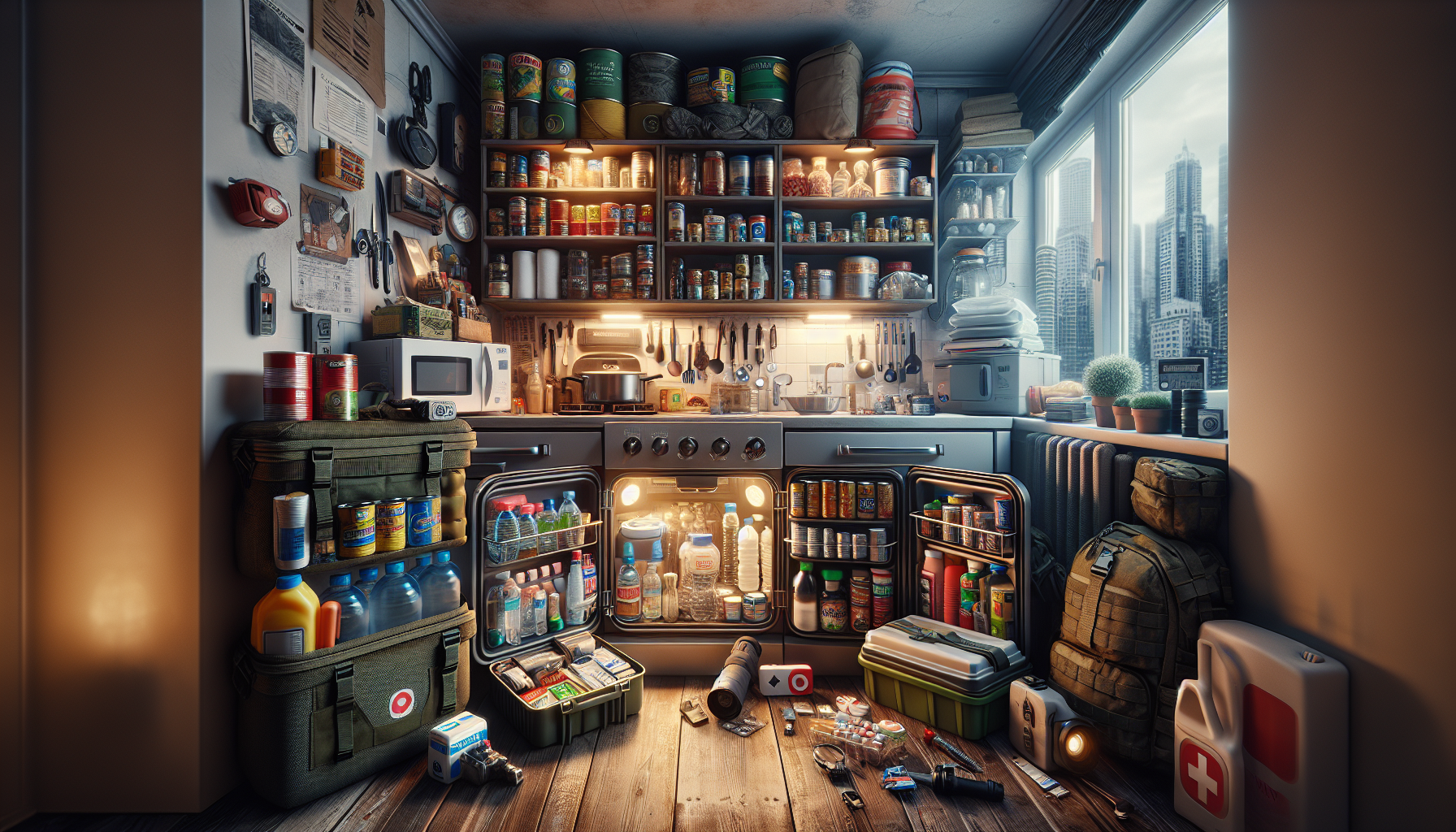
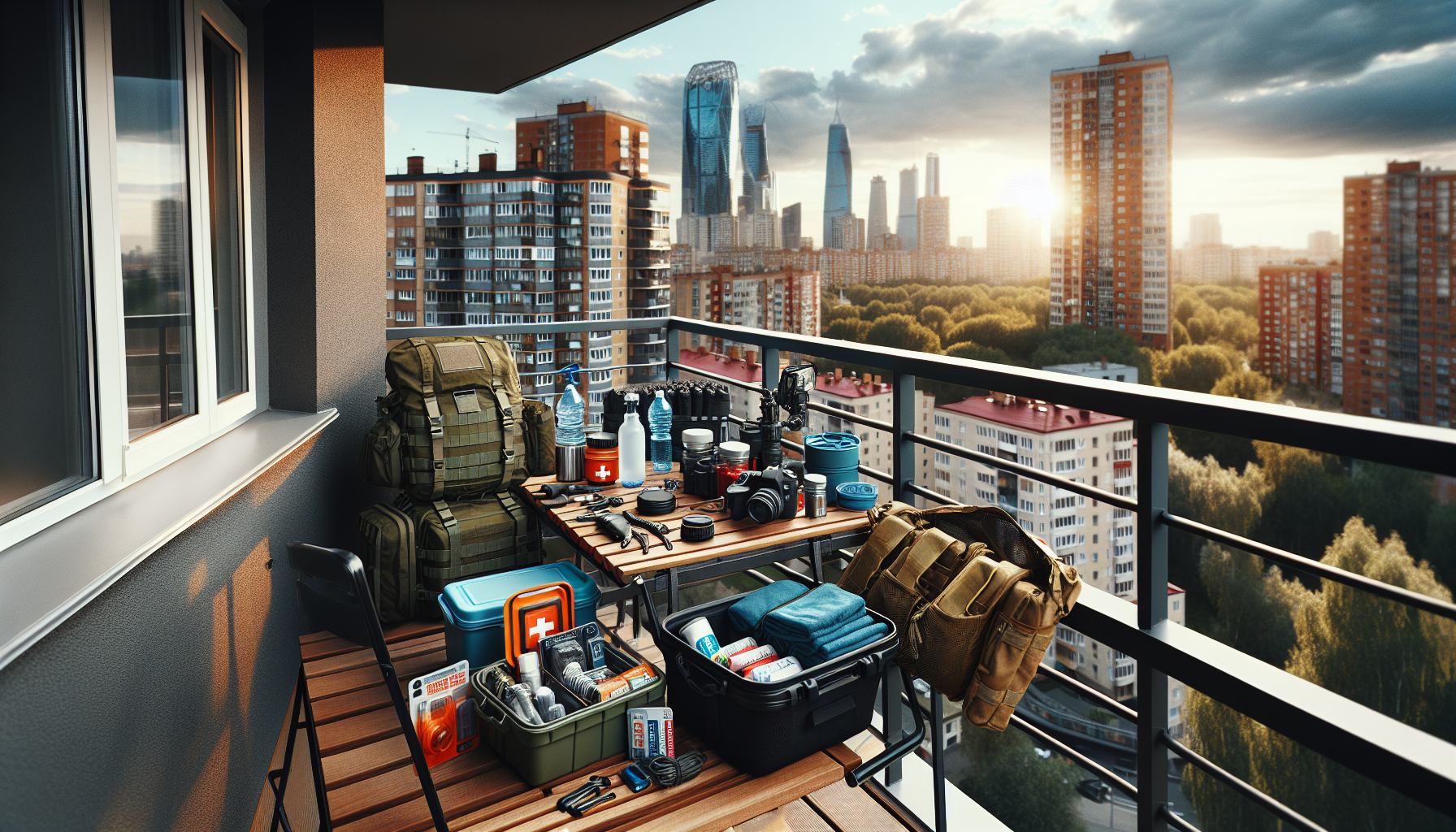
Urban survival apartment strategies involve preparing for emergencies in the unique setting of city living. For apartment dwellers, this means understanding how to manage emergencies in a compact environment that may lack the resources typically available in rural or suburban areas. Whether your focus is on a hurricane, earthquake, or power outage, being well-prepared can make a significant difference in your safety and comfort during unforeseen events.
What is Urban Survival?
Urban survival focuses on preparedness strategies tailored to managing emergencies in densely populated environments. It involves making the best use of limited space to store life-saving essentials like food, water, and medical supplies. Unlike rural survival, urban survival takes into account the challenges of high population density, limited resources, and the possible delay in emergency services.
City living poses unique challenges, such as limited storage, reliance on technology for communication, and the potential for more complex situational awareness during emergencies. Understanding urban survival can empower apartment dwellers by equipping them with the knowledge and resources to navigate crises effectively.
Why Urban Survival Matters for Apartment Dwellers
Living in an apartment comes with specific challenges when preparing for emergencies. Space constraints can make it difficult to store supplies, and dependence on municipal services can be more pronounced. Urban areas may have a higher likelihood of experiencing certain emergencies, such as blackouts or infrastructure failures due to the concentration of people and resources.
- Space Constraints: Apartments typically have less storage space compared to homes with basements or garages. Creative storage solutions become essential in ensuring you have all necessary supplies without compromising your living space.
- Infrastructure Dependency: Urban dwellers rely more on public utilities and services, meaning disruptions can significantly impact daily life. Therefore, having a backup plan for food, water, and power becomes crucial.
- Proximity to Resources: While cities provide access to numerous resources, high demand during an emergency can lead to shortages. Preparedness helps ensure you’re not left without essentials.
Creating Your Urban Emergency Plan
Step 1: Assess Your Situation
Begin by evaluating the types of emergencies most likely to occur in your area. Whether it’s earthquakes, floods, or power outages, tailor your plan to address these specific threats effectively.
Step 2: Communication Strategy
Establish a plan for staying in touch with family members. Decide on primary and secondary methods of communication and select a designated meeting spot if cell services are disrupted.
Step 3: Evacuation Plan
Identify at least two routes out of your building and practice them. Knowing your exits in advance can save precious time during an emergency.
Step 4: Stay Informed
Set up alerts from reliable sources that provide up-to-date information about potential or ongoing threats in your area. This ensures you receive timely warnings and prompts to enact your emergency plans.
Essential Apartment Prepper Kit
Creating a comprehensive prepper kit while considering space limitations is vital. Here is a prioritized list of items to include:
- Water Supply: Store a minimum of 3 liters (1 gallon) per person per day for at least three days.
- Food Storage: Non-perishable items with a long shelf life, ideally 25+ years such as freeze-dried meals or canning goods.
- First Aid Kit: A complete kit including bandages, antiseptics, prescribed medications, and manuals.
- Multi-tool: Choose a versatile tool with pliers, cutters, and various screw heads.
- Emergency Radio: A battery-operated or hand-crank radio to receive vital information.
Additional suggestions include flashlights, batteries, whistle, and personal hygiene items. Remember to supplement these with seasonal gear like warm clothing or sun protection as needed.
Maximizing Small Space for Emergency Preparedness
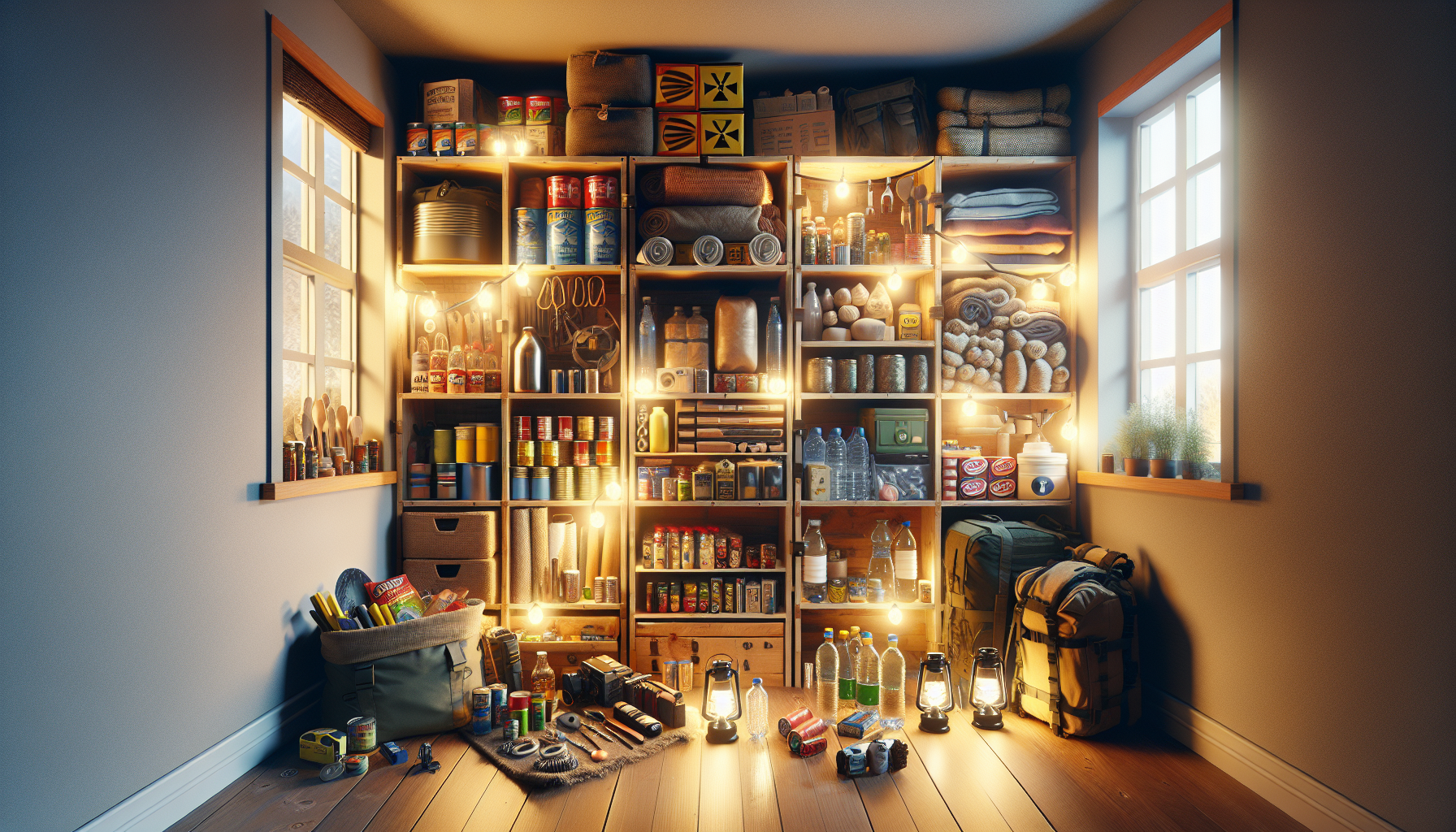
An apartment’s limited space can pose a significant challenge, but with strategic planning, you can store necessary items without overcrowding your home.
Smart Storage Solutions
- Use under-bed storage bags for bulky items like blankets or extra clothing.
- Install shelves or use corner shelving units to utilize vertical space effectively.
- Consider multi-purpose furniture, such as ottomans or coffee tables with built-in storage compartments.
Organizational Tips
Label all storage containers for easy access during an emergency. Rotate supplies periodically to ensure they’re fresh and replace items as needed.
Comparison of Urban vs. Rural Survival Strategies
| Aspect | Urban Strategy | Rural Strategy |
|---|---|---|
| Space | Maximize vertical storage and multi-purpose solutions | Utilize expansive spaces, allowing for larger infrastructures |
| Resource Access | Limited to local stores and immediate surroundings | Self-reliance with growing, hunting, and natural resources |
| Community | High-density, faster spread of information | Tighter-knit, more collaborative efforts |
Understanding these differences can help tailor your approach to suit your living environment, ensuring efficiency and preparedness.
Frequently Asked Questions about Urban Survival
What should I include in my apartment prepper kit?
Your kit should prioritize essentials like water (3 liters per person/day), non-perishable food, a multi-tool, first aid supplies, and a portable radio.
How can I create an emergency plan for my family in an apartment?
Your plan should include evacuation routes, communication strategies, and emergency contacts, tailored to the layout and features of your apartment.
What are the best city prepping tips for urban dwellers?
Maximize storage efficiency, keep emergency kits easily accessible, stay informed of local risks, and practice your plans regularly.
How do I store emergency supplies in a small space?
Utilize vertical space with shelves, use organization bins under beds, and opt for multi-functional furniture to maximize available space.
What are the main differences between urban and rural survival?
Key differences include resource access, space availability, and community dynamics. Urban focuses on space efficiency, while rural leverages natural resources.
How often should I review and update my emergency preparedness plan?
Review and update your plan at least annually or when any major life changes occur, like moving or adding to the household, ensuring all information is current.
Ready to Get Started?
Download our free printable checklists and start building your preparedness foundation today. No fluff, just practical tools you can use right away.